Guide
The Four Matcha Styles
Every matcha experience in Tokyo falls into one of four styles. Know the difference before you go.

Traditional
Whisked, ceremonial, uncompromising.
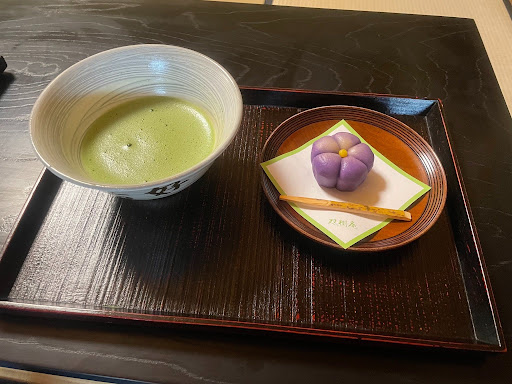
Traditional matcha is prepared by whisking stone-ground powder with hot water — no milk, no sweetener, nothing between you and the leaf. Tokyo's traditional tea houses follow the seasonal rhythms of the Uji harvest, serving usucha (thin tea) or koicha (thick tea) alongside wagashi confections chosen to balance the natural bitterness. The flavour is grassy, mineral, and sometimes intensely astringent. Expect counter seating, unhurried service, and staff who will happily walk you through the preparation if you ask.

Latte
Matcha and milk, balanced and approachable.
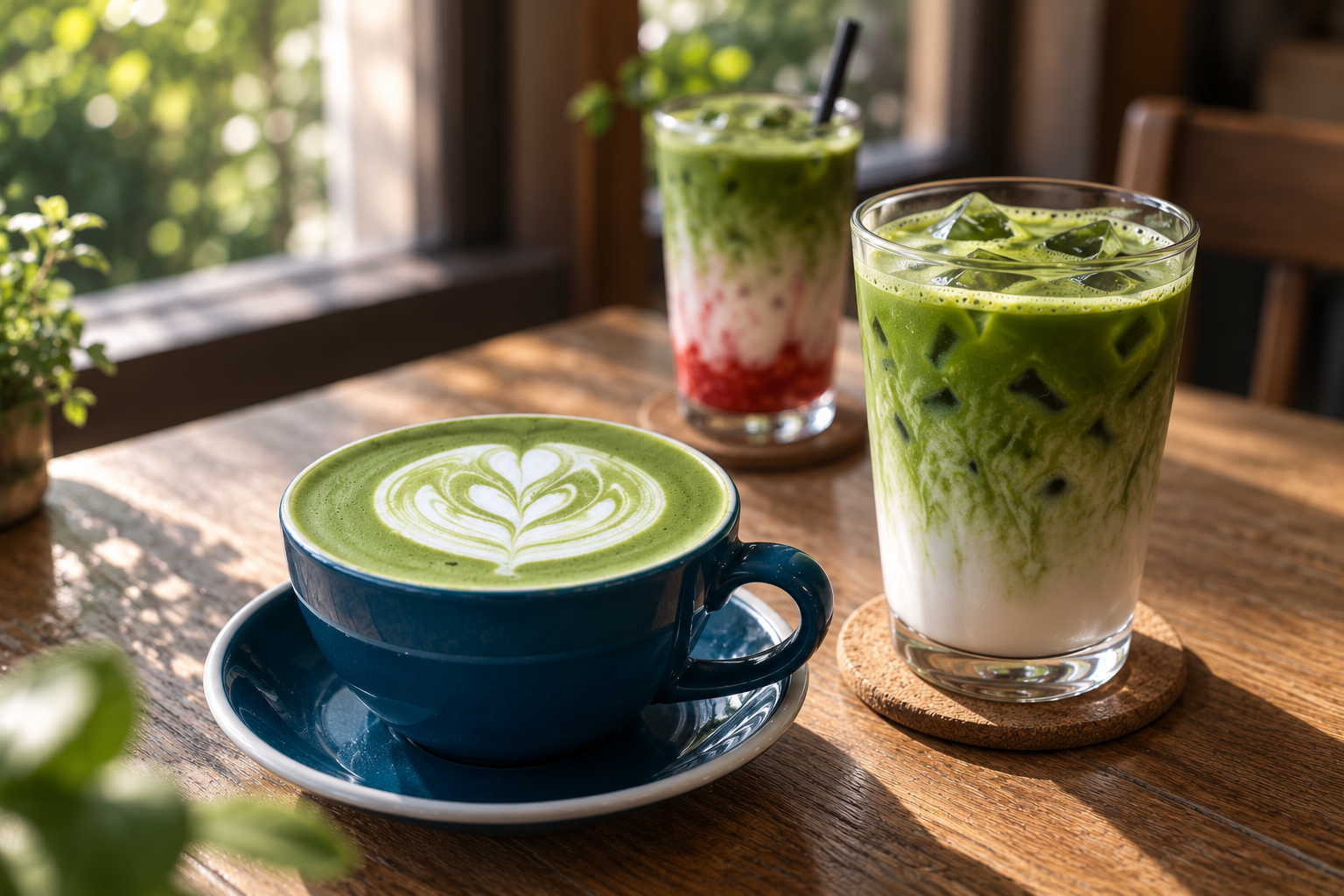
A matcha latte combines whisked or blended matcha with steamed milk, producing a gentler, creamier cup that suits those new to the flavour. Quality varies sharply: the best Tokyo latte shops use ceremony-grade or high-culinary-grade powder and steam whole milk to order, yielding a vivid green colour and a clean finish. Lesser versions rely on sweetened premix. Look for shops that grind or whisk to order — the colour should be bright rather than olive-dull — and ask about the grade if you want to know how seriously the kitchen takes the matcha side of the equation.

Sweet
Parfaits, soft serve, and wagashi with matcha at the core.
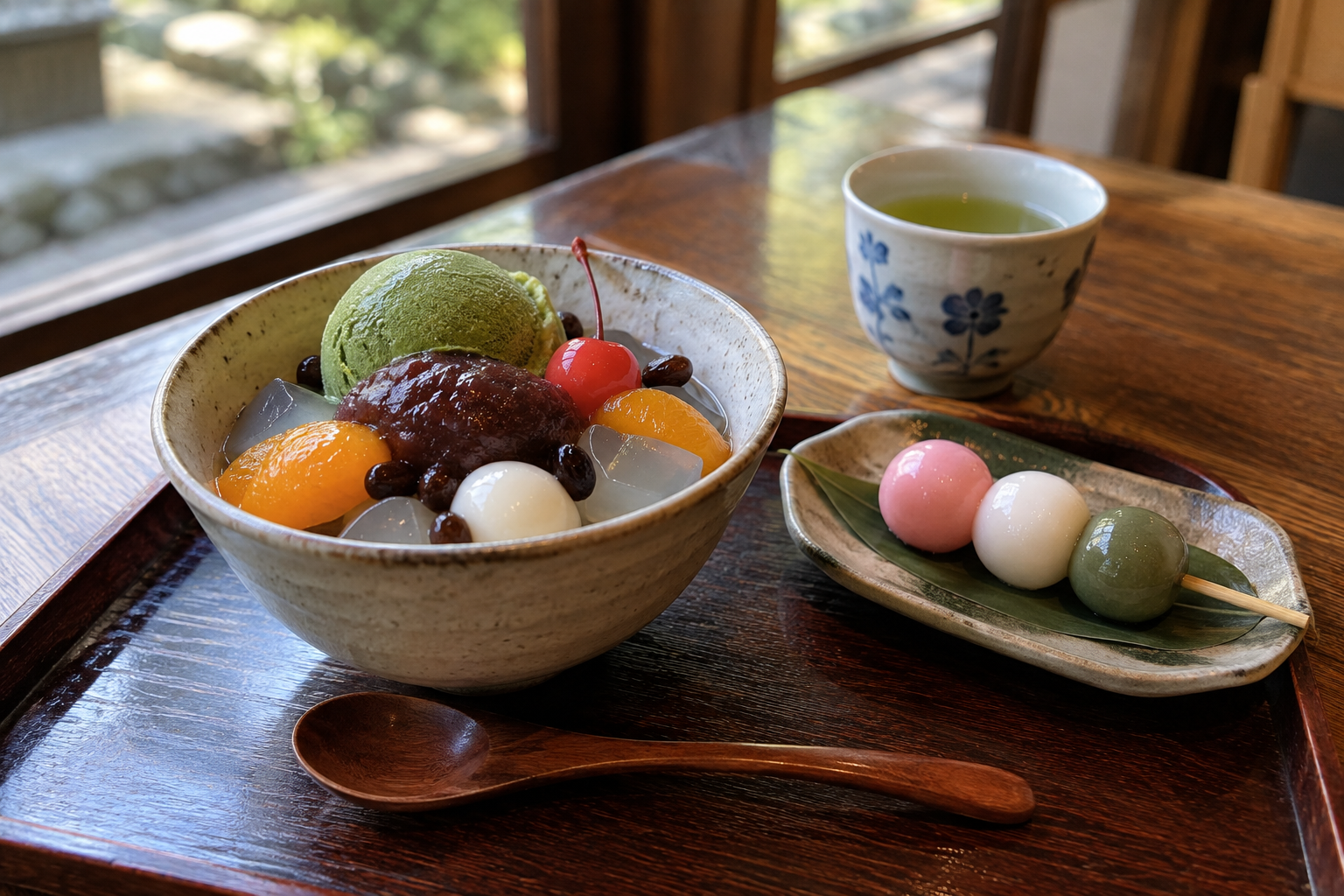
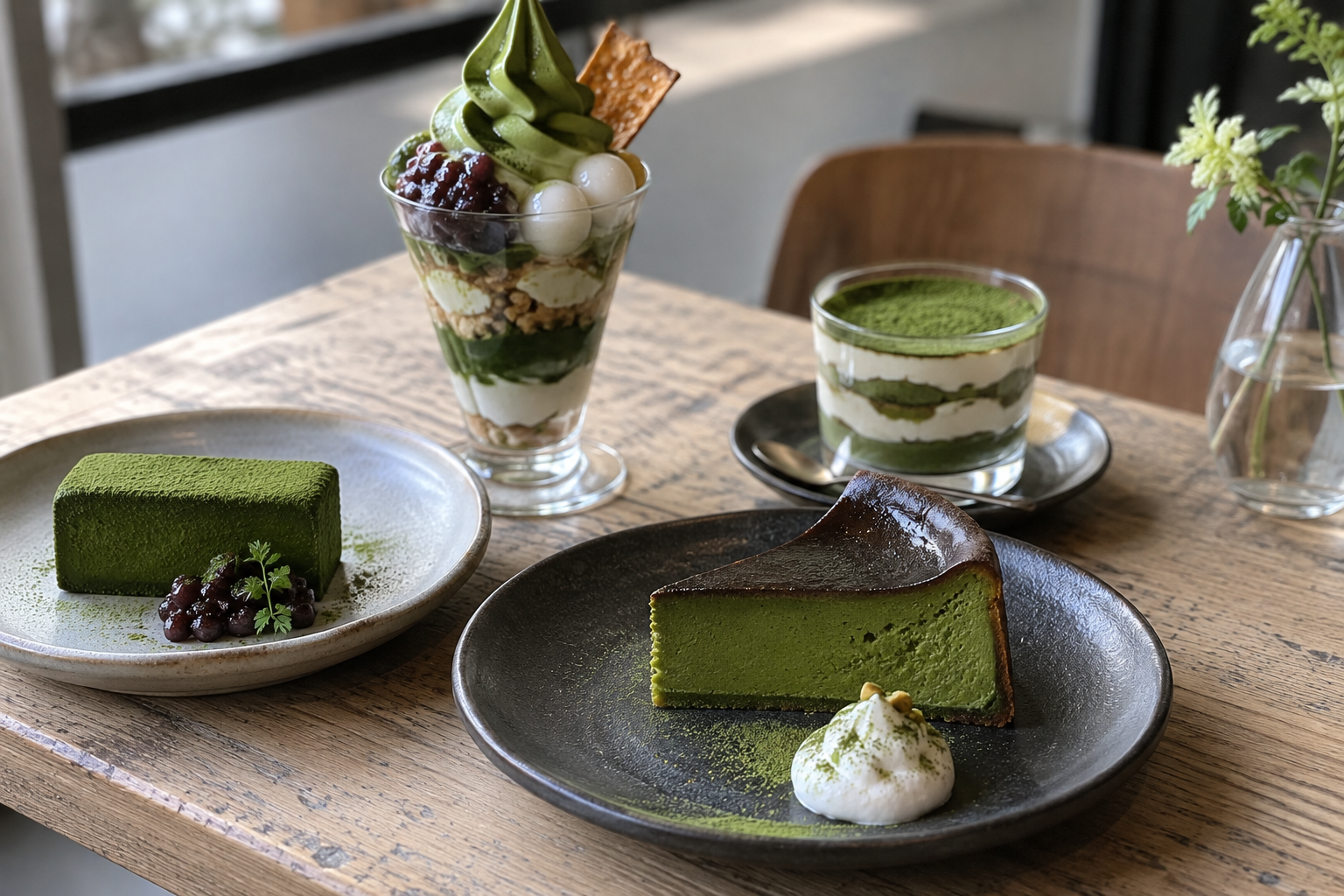
Sweet matcha experiences range from single-scoop soft-serve to elaborate layered parfaits stacking matcha jelly, azuki beans, shiratama mochi, and house-churned ice cream. The best sweet shops in Tokyo source their powder from the same estates as their traditional counterparts and let that quality show even when it is buried in cream. Sweetness is calibrated: a well-made matcha parfait finishes bitter on the palate, not sugary. These shops suit groups, post-shopping breaks, and anyone who wants to understand why Japanese confectionery is built around the contrast between sweet and bitter rather than sweetness alone.

Pure
Single-origin, minimal, nothing hidden.
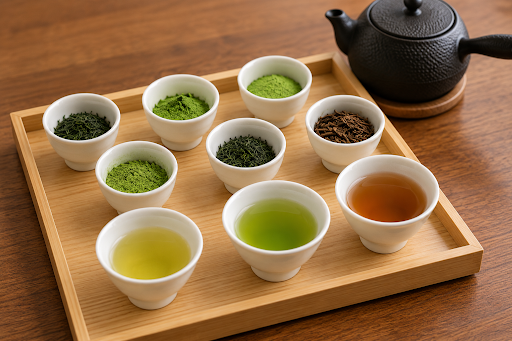
Pure matcha venues are Tokyo's answer to specialty coffee: single-origin bowls or cups, estate-named lots, and staff trained to articulate terroir differences between Uji, Nishio, and Yame powder. Service is minimal by design — no elaborate confections, no milk options — so the leaf has nowhere to hide. Bitterness and umami profiles vary enough between producers that tasting flights make sense here. If you have ever wondered whether matcha actually has terroir the way wine does, a pure matcha shop is the right place to find out.