Directory
Matcha shops in Tokyo
100 shops.
Atelier Matcha
Higashi GinzaGinza Station10 min
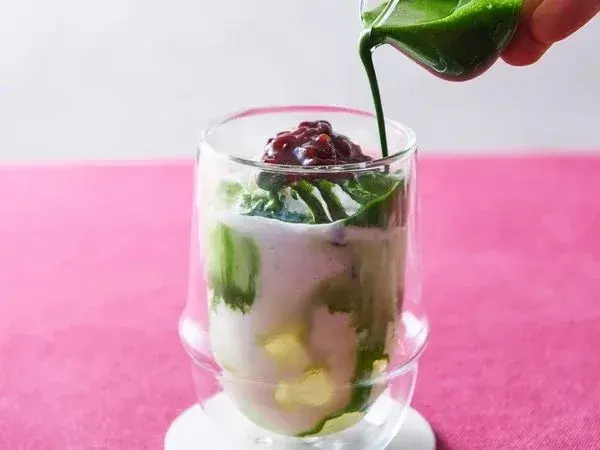
Bright modern cafe focused on customisation: pick your matcha origin, milk, and sweetness level. Soft-serve, lattes, tiramisu, and shaved-ice all available on a clear, photo-led menu. Instagram crowd at peak hours; off-peak is calm and the staff explain each cultivar before pouring. Great for groups whose appetite for traditional ceremony varies — one guest can order a serious pure pour while another goes for an oat-milk latte without anybody compromising. Bench seating outside on warm days.
Funabashiya Kameido Tenjin-mae Honten
KameidoKameido Station10 min
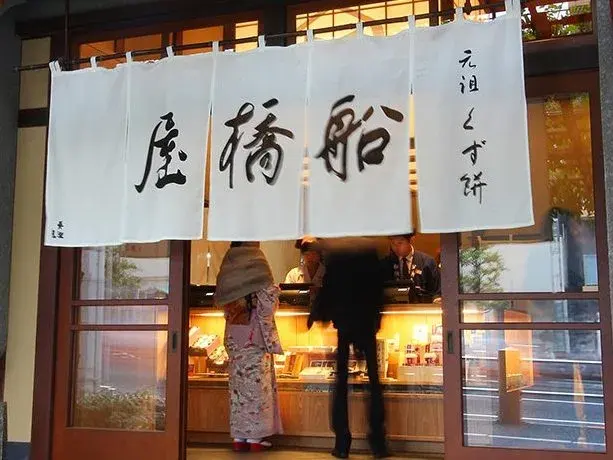
A Kameido wagashi shop known for kuzumochi, located in front of Kameido Tenjin Shrine. It serves its signature kuzumochi together with anmitsu, kuzumochi pudding and other Japanese sweets, including seasonal items. There is seating as well as take-out, and reservations are not accepted.
musubi
NihonbashiKodenmacho Station1 min
musubi 結 is a select shop and café in Nihonbashi Ōdenmachō, about a minute on foot from Kodenmacho Station. Its food menu is built around matcha lattes, coffee and light meals, largely for takeaway, alongside natural and organic cosmetics, lifestyle goods and Japanese-style zakka. The shop describes itself as offering 「贈りたくなる、からだにやさしいもの。」 — things kind to the body that you want to give as a gift — with a wa-themed interior.
SAHANJI Olinas Kinshicho
KinshichoKinshicho Station6 min
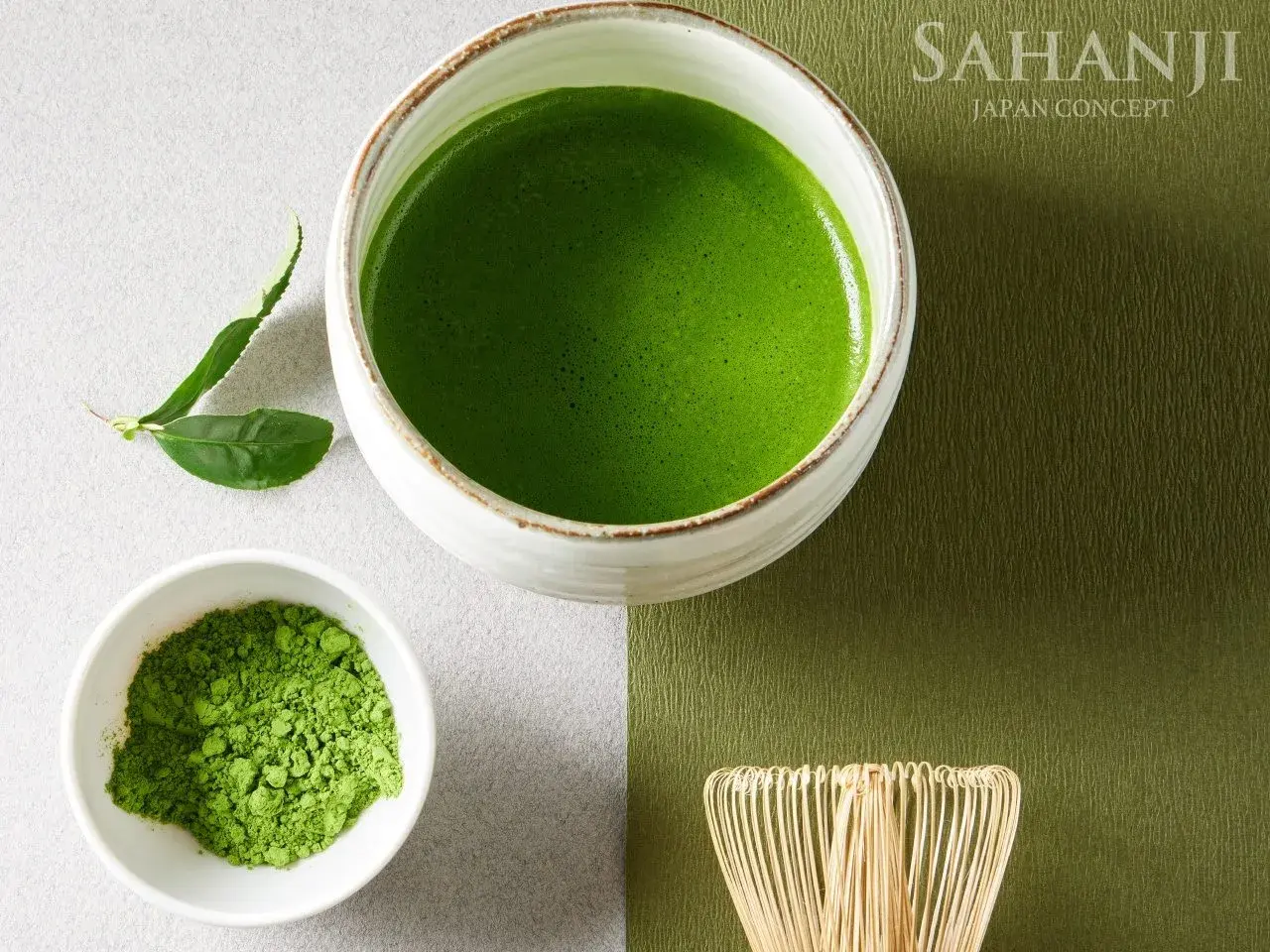
SAHANJI is a premium matcha sweets specialty shop on the 1st floor of the Orinas Kinshicho mall, the chain's first location in Tokyo's 23 wards. It serves matcha drinks, soft serve ice cream and tapioca drinks made with Shizuoka-grown 'Tenku no Matcha R'. Staff whisk each cup of tea in front of customers in a 'showcase' style.
Hatoya Asakusa
AsakusaAsakusa Station8 min
Hatoya Asakusa (八十八浅草) is a matcha shop in Asakusa that uses carefully selected teas from Kyoto for its lattes and sweets. It is known for its matcha strawberry daifuku, which uses around 5g of matcha per piece, and for its signature matcha latte. It is about a 10-minute walk from Asakusa Station.
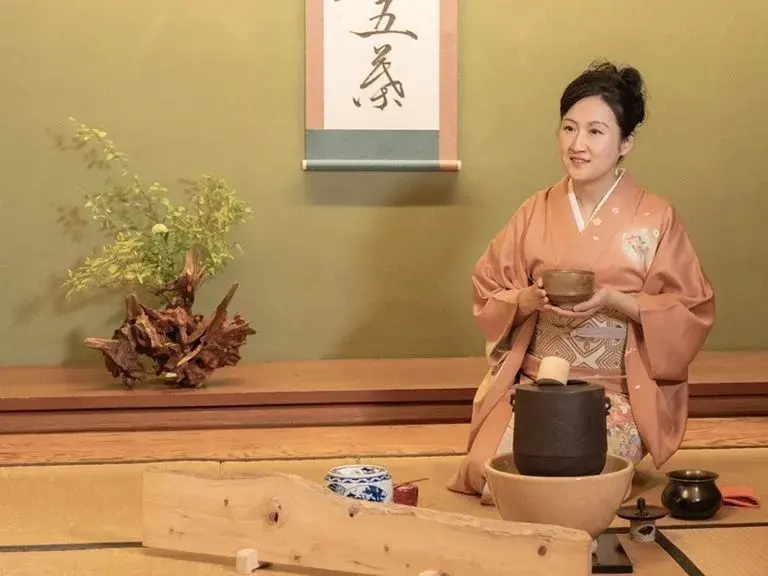
-wasako- Japanese Tea Ceremony Experience
AsakusaAsagaya Station6 min
Wasako is a Japanese tea ceremony salon in Asakusa, relocated to the historic restaurant Charyo Ichimatsu. Guests watch a live tea ceremony demonstration, enjoy traditional Japanese sweets and matcha, and can try making their own tea. Experiences range from 45 to 90 minutes, with optional kaiseki meals or geisha entertainment.

Alternative Entrance Tokyo
OshiageOshiage Station2 min
Alternative Entrance Tokyo is a Korean-style café in Oshiage, a short walk from Oshiage Station, serving drinks such as coffee together with baked goods including a matcha basque cheesecake. The small space seats around eight groups and has Wi-Fi and power outlets, and payment is by cash or card.
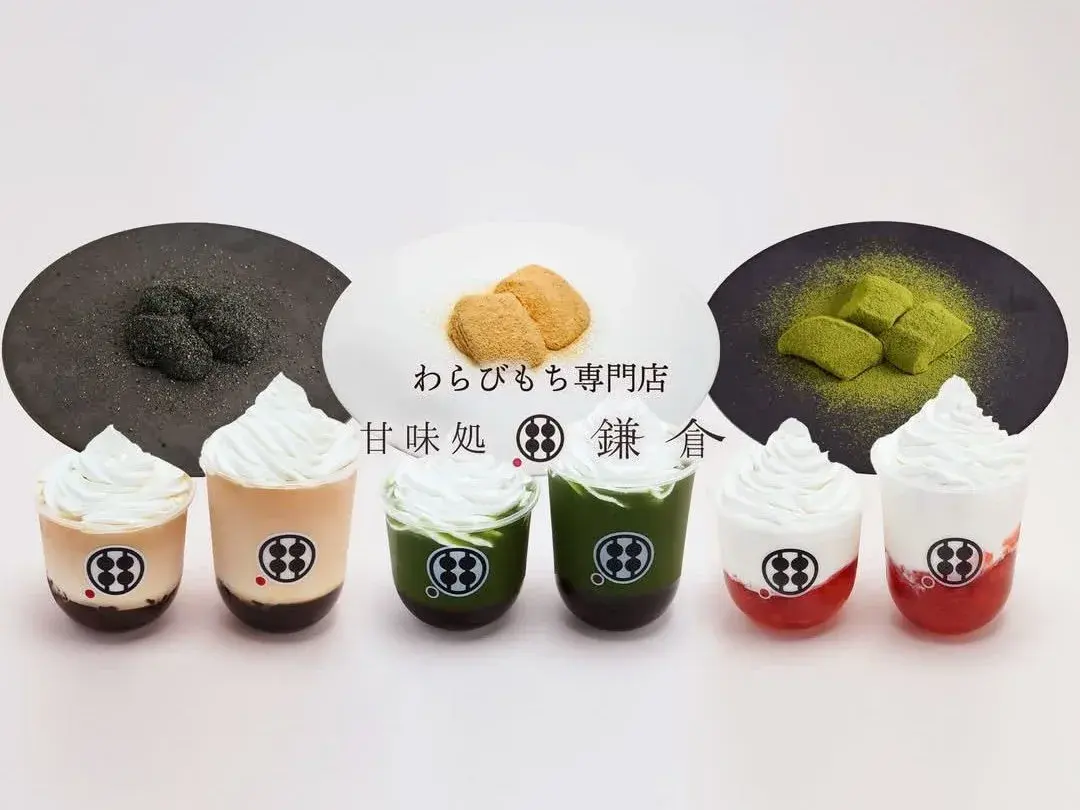
Amamidokoro kamakura katsusika-shibamata
ShibamataShibamata Station3 min
甘味処鎌倉 葛飾柴又店 is a warabi mochi speciality shop of the Kanmidokoro Kamakura chain, which has been making its sweets since 1991. It stands on the Shibamata Taishakuten approach (柴又帝釈天参道) in Katsushika, Tokyo, serving its signature Kamakura warabi mochi alongside a changing seasonal line-up of Japanese sweets.
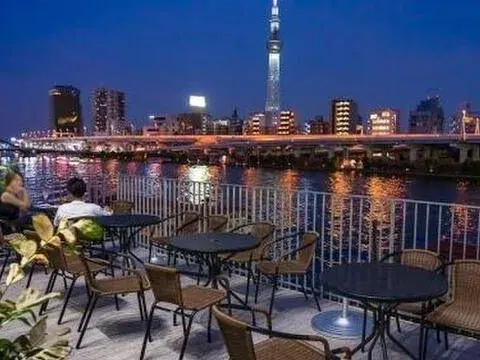
Asage Cafe Riverside Deck Cafe & Bar
KuramaeKuramae Station3 min
A riverside cafe and bar in Kuramae, about a 3-minute walk from Kuramae Station, with an open terrace looking out over the Sumida River and Tokyo Skytree. Seating covers two floors plus the terrace, where kotatsu are provided in winter and a separate terrace charge applies (330 yen on weekdays, 550 yen on weekends and holidays). The menu includes basque cheesecake, a hamburg bolognese pasta, and a matcha basque cheesecake.
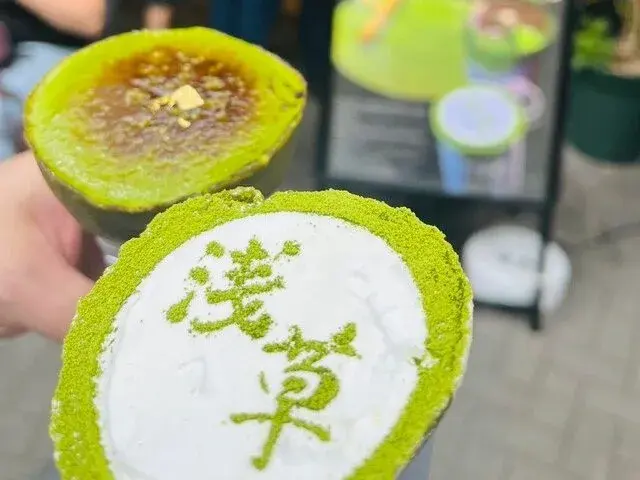
Asakusa Chaya Tabanenoshi
AsakusaAsakusa Station7 min
A matcha sweets shop in Asakusa known for its Japanese-style crepes, including a Kakegawa matcha brûlée crepe and a matcha tiramisu, plus a Kakegawa matcha latte. It describes itself as a tea room blending traditional Japanese and modern elements, using matcha from a long-established tea garden in Kakegawa, Shizuoka. The shop sits in a downtown Asakusa setting about a 7-minute walk from Asakusa Station.
Azabu Sabō Atré Kameido
KameidoKameido Station1 min
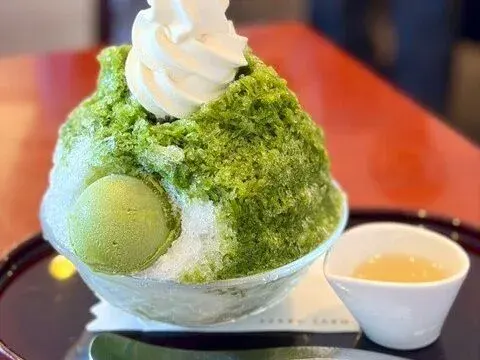
Azabu Sabō is a long-established Japanese sweet shop (kanmi-dokoro) that opened its first store in Minami-Azabu in 1979 and now has branches overseas. This branch sits on the 6th floor of Atré Kameido and serves traditional sweets made with Uji matcha, Hokkaido Tokachi azuki, house-made shiratama and kanten, alongside original desserts such as cream sweet potato with soft serve, anmitsu, shiruko and seasonal kakigōri. The interior mixes a Japanese atmosphere with modern, antique-accented furnishings, and there is also a full food menu of ramen, rice sets and small dishes for lunch and dinner.
Cafe Mountain, Ocean & Sun atré Kameido
KameidoKameido Station1 min
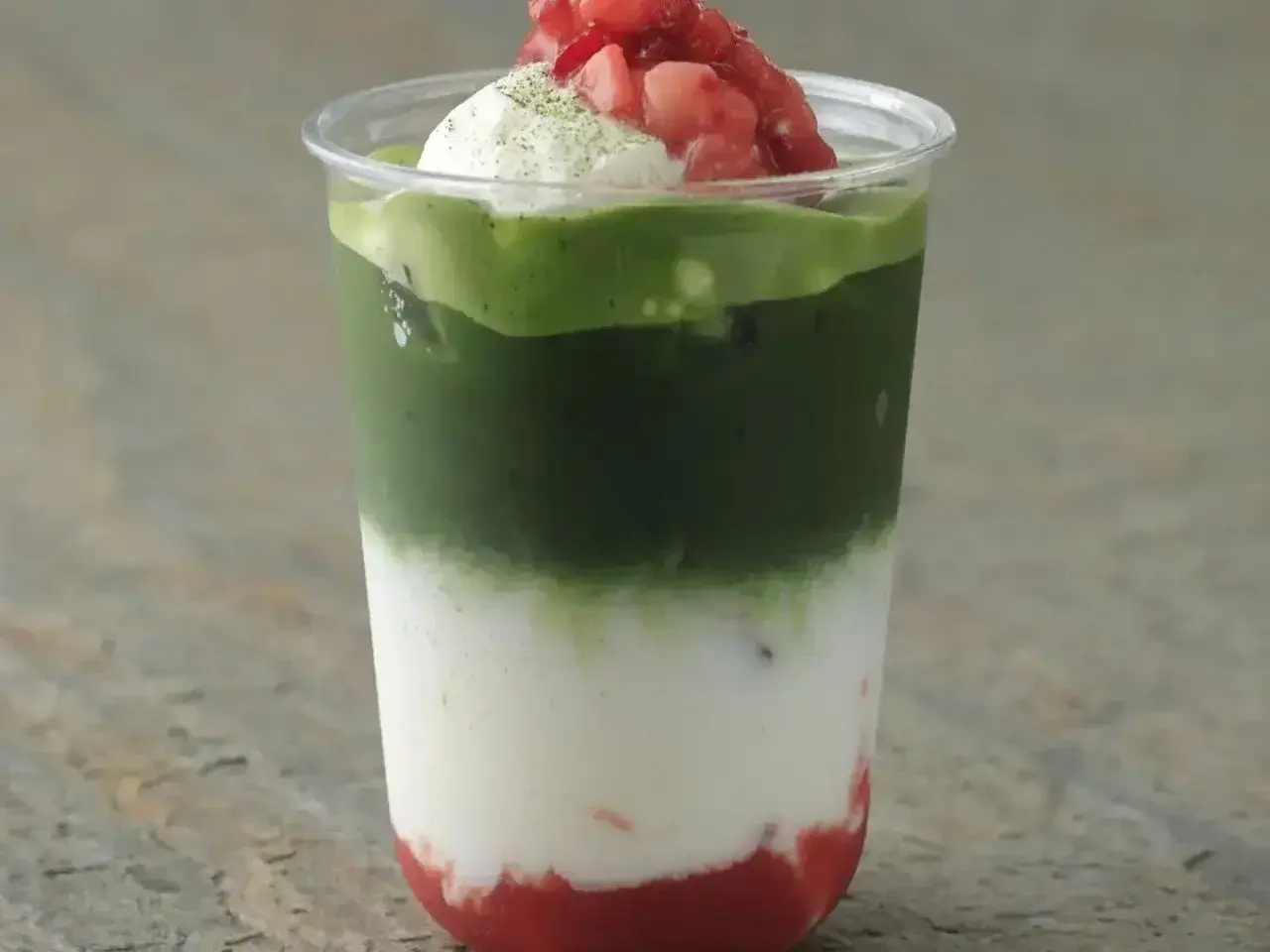
Cafe Mountain, Ocean & Sun atré Kameido is a cafe produced by MOS Burger that serves coffee and hamburgers. It is located on the first floor of Atre Kameido in Kameido, Koto. Not only regular matcha latte, There are Strawberry matcha latte and Mango matcha latte.
Cha Maruyamaenn
OshiageOshiage Sta.1 min
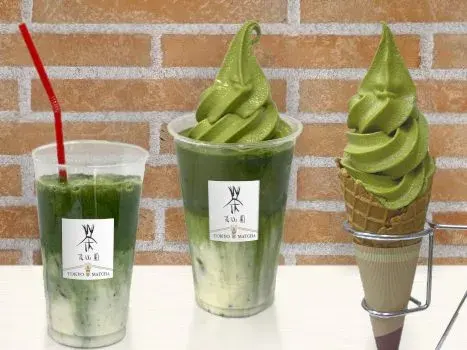
A Japanese tea speciality shop on the 2F West Yard of Tokyo Solamachi, run by the Maruyamaen honten tea house founded in 1933. It carries teas from regions across Japan, with a focus on deep-steamed sencha, and is the only Solamachi branch offering takeaway tea and matcha sweets. Its Uji matcha soft cream, made with matcha from Kyoto Prefecture, is the shop's No.1 recommendation, and takeaway tea is brewed one cup at a time in a teapot.
Chacha Koubou Kiyosumi
Kiyosumi-ShirakawaKiyosumi-Shirakawa Station3 min
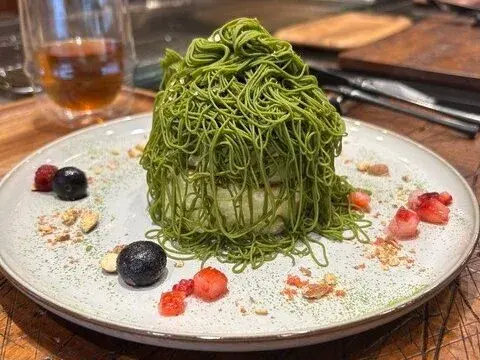
Chacha Koubou Kiyosumi is a matcha sweets workshop in the Kiyosumi-Shirakawa area, listed on Google as a restaurant. It serves matcha sweets and is about three minutes on foot from Exit A3 of Kiyosumi-Shirakawa Station on the Toei Ōedo and Hanzōmon lines. The venue's own posts list opening hours of 11:00–19:00 with Mondays closed.
Chanoniwa : tea garden
RoppongiRoppongi Station3 min
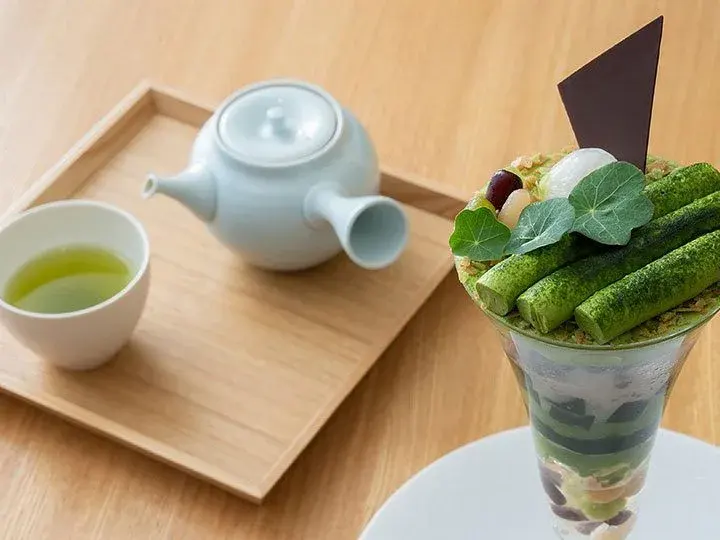
Chanoniwa is the directly operated shop and cafe of Sasaki Seicha, a Kakegawa tea house trading as KANEJO whose leaf has taken the Minister of Agriculture's prize; the Roppongi Hills North Tower branch opened on 25 April 2026 as the brand's first in the Kanto region. Kakegawa is deep-steamed tea country, and that method carries into a matcha with pronounced umami, used both for tea-ceremony service and throughout the kitchen. The cafe's headline is the Kakegawa matcha parfait, made here in a Roppongi Hills-only version, alongside matcha zenzai and kuzu dorayaki with matcha cream. Tea-rice sets cover lunch, and an English menu is available.

CHAYA 1899 TOKYO
ShimbashiOnarimon Station6 min
On the ground floor of Hotel 1899 Tokyo, a property built entirely around tea, CHAYA works as a neighbourhood teahouse for the Shimbashi-Onarimon backstreets. Staff here are called tea baristas, and the signature Rich Matcha Latte lets you set the dose, roughly three to six grams of stone-milled tencha, with the whisking done in front of you; four grams is the house recommendation. Beyond matcha there is hojicha, sencha, Japanese black tea, tea sodas and even matcha beer, plus matcha bread, tea gelato and a full food menu. Its 36 seats are first-come only, and the cafe runs a monthly Japanese tea seminar.
CHAYA Matsuo
YanakaSendagi Station6 min
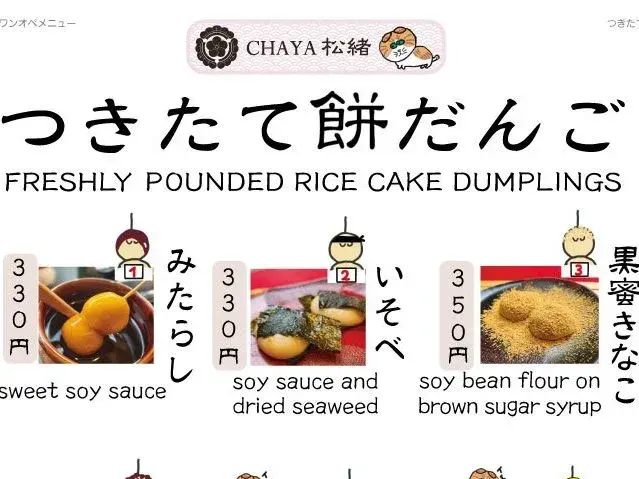
A modern chaya on Yanaka Ginza shopping street, sister shop to Saboh Matsuo by Yushima Tenmangu. Mochi is pounded in-house every morning with mortar and pestle from Wataboshi rice grown under contract in Uonuma, then served as skewers with mitarashi, isobe, kuromitsu-kinako or Dainagon red bean, from 300 yen with a one-drink minimum. The matcha is Yamamasa Koyamaen from Uji, whisked to order by the okami rather than poured from a jug, and there is house-made kanten, Hateruma kuromitsu and warabimochi from domestic bracken starch. Roughly ten seats, so it fills quickly at weekends; takeaway is available. No fixed closing day.
Chotto Matcha - Asakusa
AsakusaAsakusa Station1 min
Chotto Matcha - Asakusa is a street-level cafe a minute from Asakusa Station on the Ginza Line. It serves matcha drinks and desserts as well as espresso-based items, with menu entries such as matcha ramen, and it is open daily from 9:00 to 18:00.
Cloud Club Matcha
GinzaHigashi-Ginza Station5 min
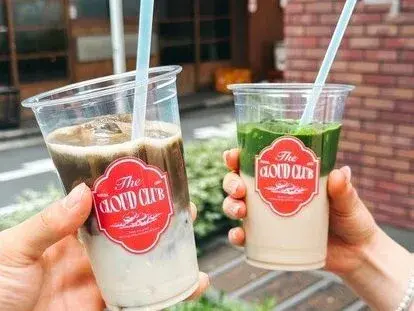
CLOUD CLUB MATCHA is a matcha stand in Ginza, a short walk from Higashi-Ginza Station, that uses organic first-flush tea from Kagoshima and whisks each cup to order. The menu is deliberately simple — matcha latte, premium matcha latte and hojicha latte — with a choice of milk, soy milk or oat milk. It is a takeaway-only stand that draws long queues, and matcha powder is also sold at the counter.

CLOUD CLUB MATCHA GINZA YANAGI DORI
GinzaHigashi-Ginza Station4 min
CLOUD CLUB MATCHA GINZA YANAGI DORI is a matcha stand in Ginza, a short walk from Higashi-Ginza Station, where each drink is whisked to order using organic first-flush tea from Kagoshima. The menu is deliberately small and centred on matcha latte, premium matcha latte and hojicha latte, with a choice of milk, soy milk or oat milk. It is takeaway only, and long queues are common.
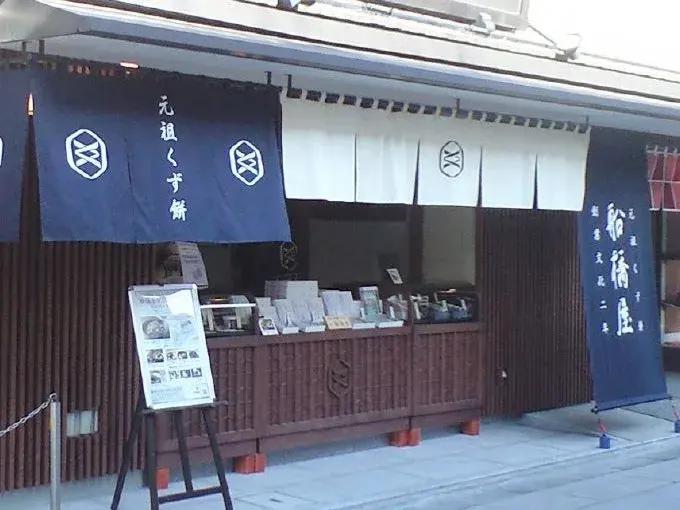
Funabashiya Shibamata Temple Street Store
ShibamataShibamata Station2 min
Located along the approach to Shibamata Taishakuten Temple, it is a convenient spot to visit while sightseeing. It is a traditional Japanese sweet shop that also sells mini-sized *kuzumochi* (arrowroot starch cakes) perfect for eating while strolling.
Fuwari
NingyochoNingyocho Station4 min
Fuwari is a cafe, sweets and coffee shop in the Ningyocho area of Nihonbashi, Chuo City, Tokyo. It is a small venue with 15 seats, a few minutes' walk from Ningyocho Station and Suitengumae Station.
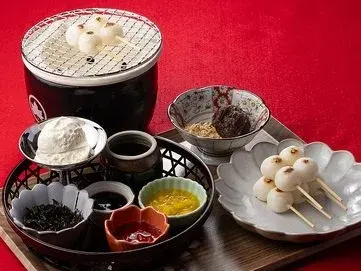
Ginza matchadou ~SHIORI~
GinzaGinza Station5 min
銀座抹茶堂 栞 is a Japanese-style matcha cafe on Ginza Corridor Street (銀座コリドー街), built around matcha drinks and wagashi sweets. The menu includes thick matcha (温濃茶/冷濃茶), matcha lattes, matcha ice cream monaka, matcha pudding and 特濃抹茶のかき氷, plus light meals such as dashi-maki egg burgers and ochazuke. It is also known for its table-grilled dango menu, where guests grill skewers themselves and choose from several flavours.
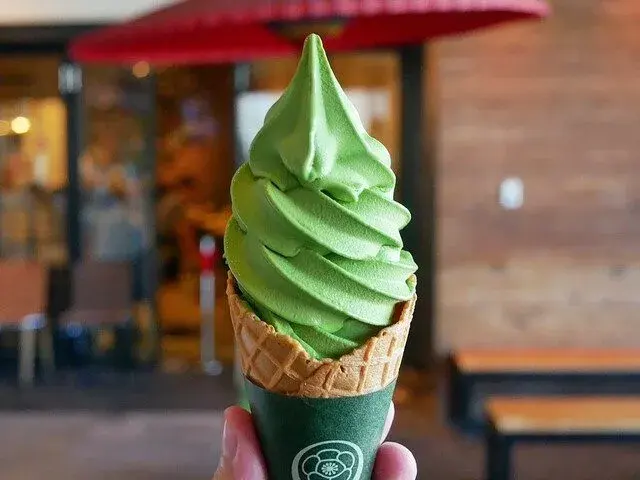
Gion Tsujiri
OshiageOshiage Station2 min
Gion Tsujiri's Tokyo Skytree Town・Solamachi branch is a tea shop and sweets shop on the 6th floor of Tokyo Solamachi in Oshiage, directly connected to Oshiage Station. The roughly 30-seat shop has an English menu and takes cash and credit cards. It is open 11:00–22:00 (L.O. 21:00) and does not accept reservations.
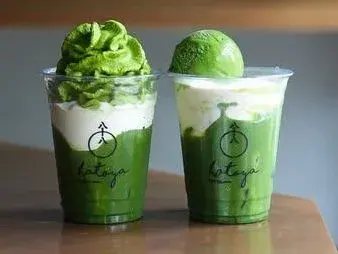
Hatoya Shibuya
ShibuyaYoyogi-Koen Station6 min
Kyoto's Hatoya Ryoyosha opened this Okushibuya stand on 1 July 2025, its second Tokyo site after Asakusa. Founder Junsuke Maruyama, a former barista, buys Uji tea by single origin, and the signature Matcha Latte Ichi is whisked to order with a chasen at a counter of linked cylindrical columns under a neon sign. Grades step up through Ni and San; the Hatoya Shake is the thicker option. Toppings include shiratama, kokuto and matcha ice cream, and a Shibuya-only monaka is filled with house matcha bean paste. Terrace seats face Kamiyama-dori, five minutes from Yoyogi Park.
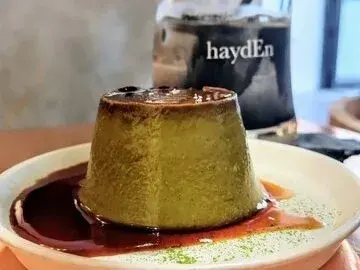
haydEn, cafe & bar
OshiageTokyo Skytree Station4 min
haydEn is a cafe and bar near Tokyo Skytree known for thick matcha sweets such as matcha terrine and matcha cream cheese pudding. The modern interior has concrete walls with counter, table and sofa seating, and coffee cocktails are served in the evening. The drinks menu includes a matcha latte, drip coffee and espresso, with light food such as scones and waffles.
Higashiya Ginza
GinzaGinza Station5 min
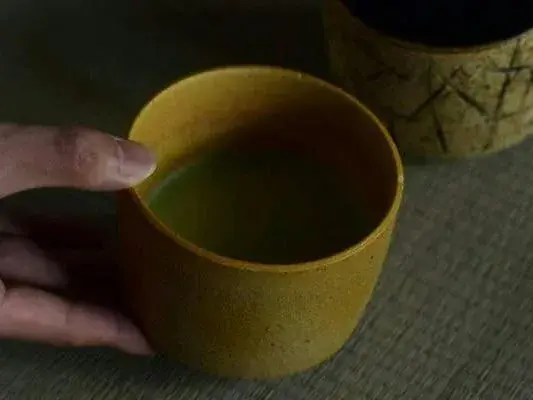
Contemporary wagashi salon on the second floor of the Pola Ginza building. Tea-and-sweet pairings feel like a tasting menu — refined koicha, single-portion namagashi, dim lighting, careful music. Best matcha-with-sweets experience for guests who want a calm setting after a busy morning. Reservations open one month ahead and weekend afternoon slots disappear within hours, so plan early. The seasonal wagashi rotation is the heart of the menu and changes every two weeks, often telegraphing the next subtle shift in season.
HIIRAGI Ginza
GinzaGinza Station4 min
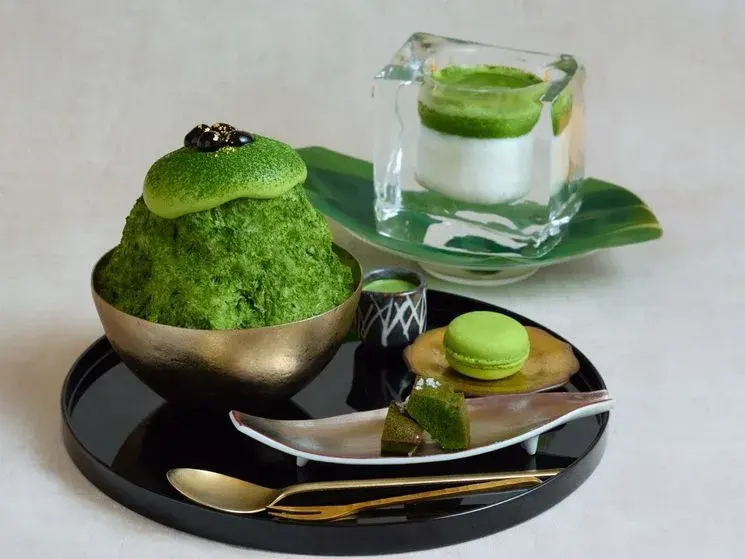
Hiiragi occupies a back street behind GINZA SIX as a curated Japanese sweets shop with a six-seat hinoki counter tucked inside. The draw is a kakigori technique that blends premium Uji matcha through the ice itself rather than pouring syrup over the top, so the flavour holds to the last spoonful; it arrives under condensed milk and black-sugar cream. Each item in the matcha-zukushi set, from the shaved ice and latte to the financier and a plum-wine-spiked terrine, uses a different tea leaf, so the set doubles as a tasting. With only six seats and a 10% eat-in service charge, it rewards an off-peak visit.
Ippodo Tea Shin-Marunouchi Store
MarunouchiTokyo Station10 min
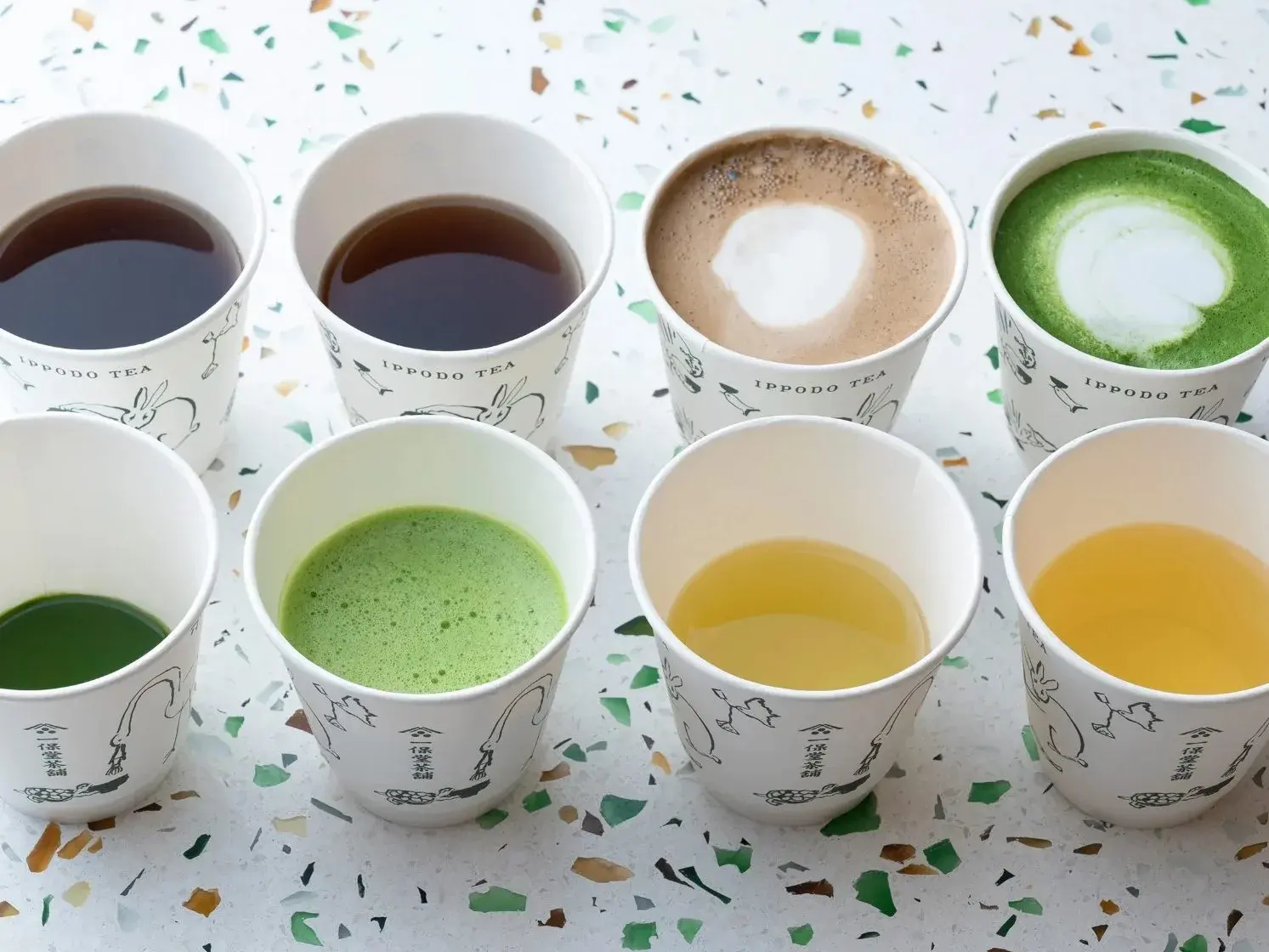
Kyoto's 300-year-old tea house with a tasting counter at the back of the Marunouchi store. Order a flight of two grades of matcha and compare against the same wagashi. Excellent option for travellers who want to learn the language of grades quickly — staff will sketch the harvesting and grinding pipeline on the paper coaster if you ask. The leaf-tea wall opposite the counter sells starter tins clearly labelled by intended use, which makes onward gift shopping easy and unintimidating.

IPPUKU & MATCHA Nihonbashi
NihonbashiMitsukoshimae Station1 min
Billed as the world's first single-origin Uji matcha specialist, IPPUKU & MATCHA sits at ground level in Nihonbashi Mitsui Tower, directly outside Mitsukoshimae exit A8. Rather than blending, it pours unblended matcha from individual cultivars and single tea gardens, all hand-picked first-flush leaf grown under the 400-year-old honzu shading method and finished on stone mills. What looks like a casual tea stand at the front conceals a small tea room behind it, where a tasting of two matcha served in Edo-kiriko cut glass with sweets is the signature order; reservations are recommended for that room. Terrace seating handles takeaway, and a foreign-language menu is available.
Jugetsudo Tea Shop & Cafe
Higashi GinzaHigashi-Ginza Station1 min
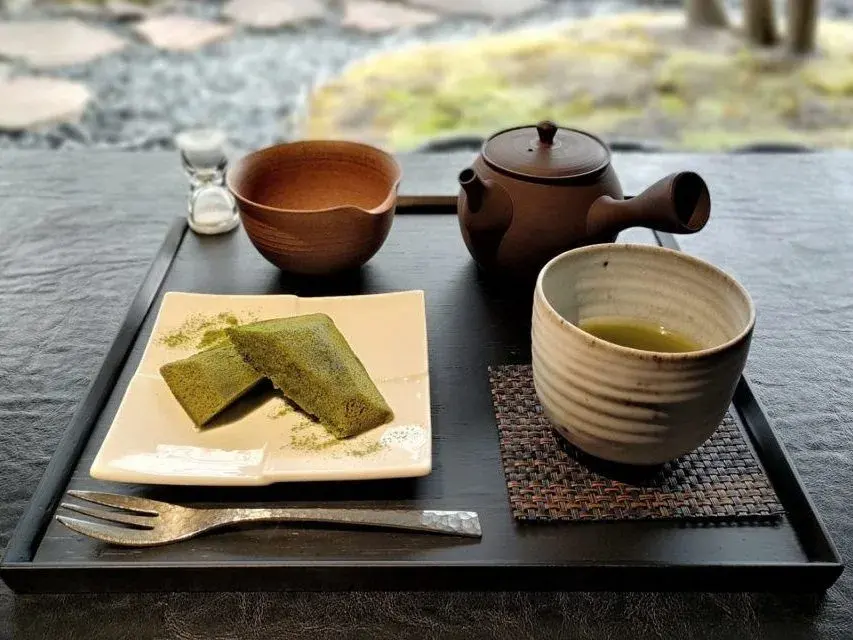
Run by Maruyama Nori, a seaweed house founded in 1854, Jugetsudo's Ginza branch sits on the fifth floor of Kabukiza Tower facing the theatre's rooftop garden. Kengo Kuma designed the space, dividing it with irregularly pitched bamboo screens and angling the ceiling to echo the garden eaves, roughly 3,000 bamboo stalks in all, producing a grove-like calm directly above one of Tokyo's busiest crossings. The counter and terrace serve sweets made with the house matcha alongside nori-based sandwiches and light dishes, and the shop runs tea experience courses covering sencha brewing and matcha whisking. A retail corner sells tea, nori and Kabukiza-only souvenirs.
Kagurachaka
AsakusaAsakusa Station1 min
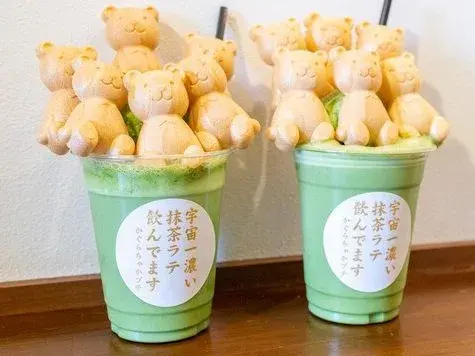
Matcha latte specialist in the Nishiasakusa area of Asakusa, about a minute from Asakusa Station on the Tsukuba Express. Its signature 宇宙一濃い抹茶ラテ(he richest matcha latte in the universe) uses matcha from Nishio in Aichi and comes with a choice of eight matcha strengths, うすめ to 異次元(from Diluted and Otherworldly), starting at ¥650. Optional extras include a bear-shaped monaka for ¥50 and a matcha gelato topping for ¥250.
Kagurazaka Saryo Honten
KagurazakaIidabashi Station5 min
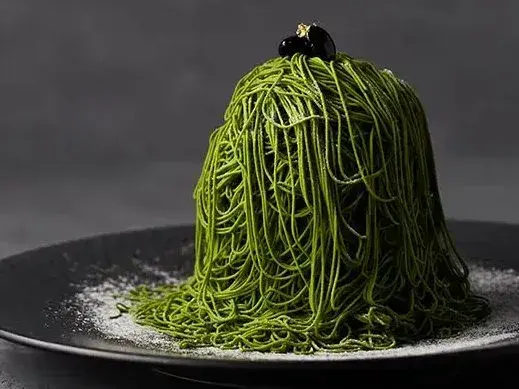
The original branch of Kagurazaka Saryo hides down a stone-paved alley off the Kagurazaka slope, in a converted townhouse whose timber interior still reads as a private residence. Teas are drawn from producers across Japan, including Uji's long-established Marukyu Koyamaen, and brewed by specialist staff. The signature saryo parfait layers matcha pudding, hojicha ice cream and crisp puffed rice, while seasonal work runs to matcha fondue, shaved ice and a mont blanc piped in thread-fine strands. A full savoury menu of obanzai and dashi udon means it works as lunch as much as dessert. Sixty seats, open until 22:00, and no reservations taken.
Kaminari Issa
AsakusaAsakusa Station4 min
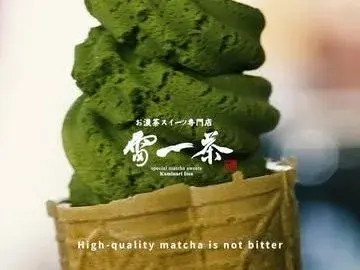
Kaminari Issa is an お濃茶 (rich matcha) sweets specialist in Asakusa, listed at 1-20-1 Asakusa in Taito City and described on its own Instagram as running a Nakamise-dōri shop plus a matcha experience shop and a koicha tea salon nearby. Google lists it as a cafe with prices in the ¥1,000–2,000 band. It is known for matcha sweets and matcha-drinking experience rather than standard latte fare.
Kaminari Issa Asakusa Honten
AsakusaAsakusa Station4 min
A koicha (thick matcha) sweets specialist with four small shops around Senso-ji; this is the main one, on Umamichi-dori a few minutes north of Kaminarimon. The kitchen uses only first-flush, stone-milled Kyoto matcha, turning it into cream puffs, dorayaki, roll cake, pudding and a signature koicha fresh-cream mochi, most items between 380 and 880 yen. Matcha can also be ordered on its own or as a set with seasonal jonamagashi wagashi. Fourteen seats, four at the counter and ten at tables, and menus printed in Japanese, English and Chinese. Cards, transport IC and QR payments are all accepted; reservations are not taken.

Kaminari Issa Rich Matcha Sweets Shop Denpoin-dori Street
AsakusaAsakusa Station3 min
Kaminari Issa is a matcha sweets specialty shop with a branch on Denpoin-dori Street in Asakusa. It serves rich matcha sweets and drinks made with first-harvest tea from Kyoto, under the concept that high-quality matcha is not bitter. The shop is about a 3-minute walk from Asakusa Station.
Kinozen
KagurazakaIidabashi Station3 min
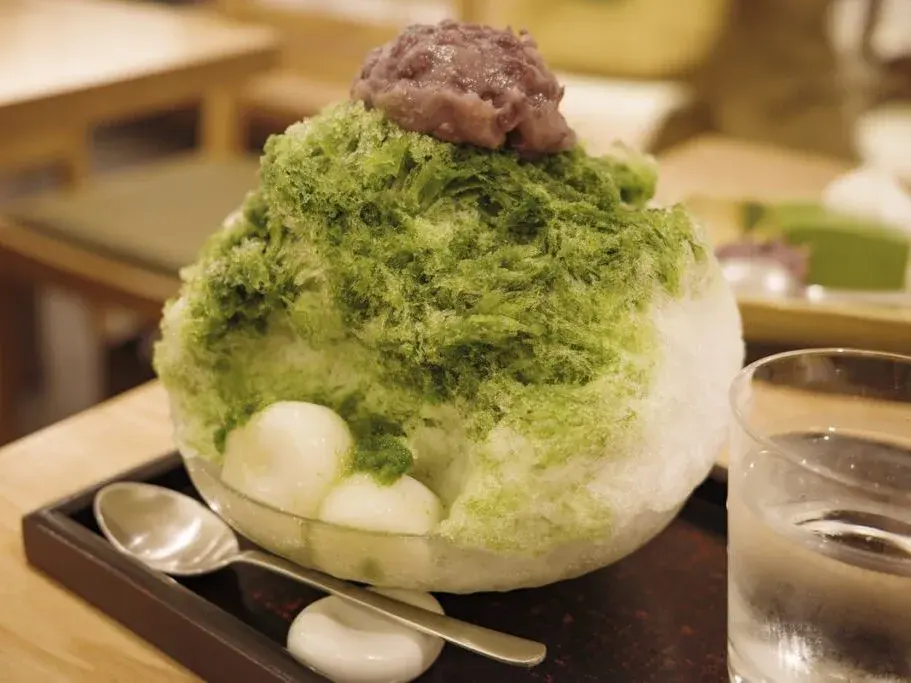
Kinozen served Kagurazaka for 74 years as a kanmidokoro before closing in September 2022, and the loss was felt widely enough that Create Restaurants revived it: the shop reopened on 18 July 2025, a little further up the slope from the original site. The signature matcha bavarois is unchanged, a smooth and restrained set cream carrying real matcha bitterness, served with softly whipped cream and chunky Tamba Dainagon azuki. The anko is boiled daily in-house without colouring, which is why it keeps its pale wisteria tone. Anmitsu and summer kakigori round out a short menu, and a front showcase sells the same sweets to take away.
Kosoan
JiyugaokaJiyugaoka Station11 min
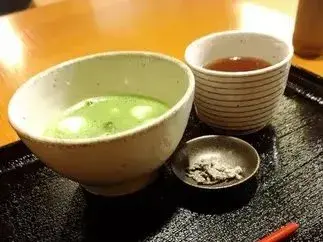
Restored Taisho-era farmhouse with a tatami tea room overlooking a moss garden. Matcha set is served in old porcelain and you keep your shoes off at the entry. Suburban-feeling escape from central Tokyo with the calmest soundscape of any shop on this list — outside of cicada season the only sound is the kettle. About 25 minutes by Toyoko line from Shibuya, easily combined with the Jiyugaoka cafe strip or a walk along the Kuhonbutsu river path.
Kotobuki Seian
AsakusaAsakusa Station6 min
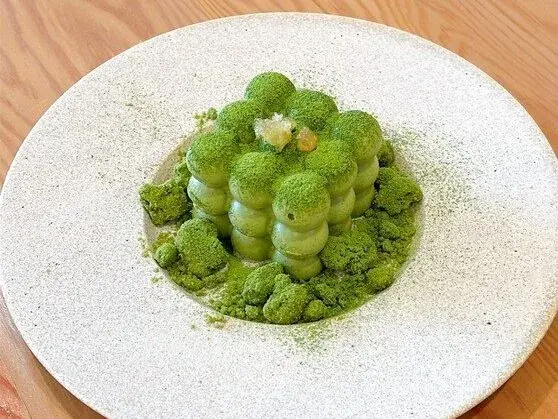
Kotobuki Seian is a matcha crepe specialty shop on Asakusa Hanayashiki-dori in Asakusa, Tokyo, at 2-7-21 Asakusa. It serves matcha crepes and closes when they sell out, with hours of 11:00–17:30 and a price range of about ¥1,000–1,999. It is also listed as 寿清庵茶室 (Kotobuki Seian).
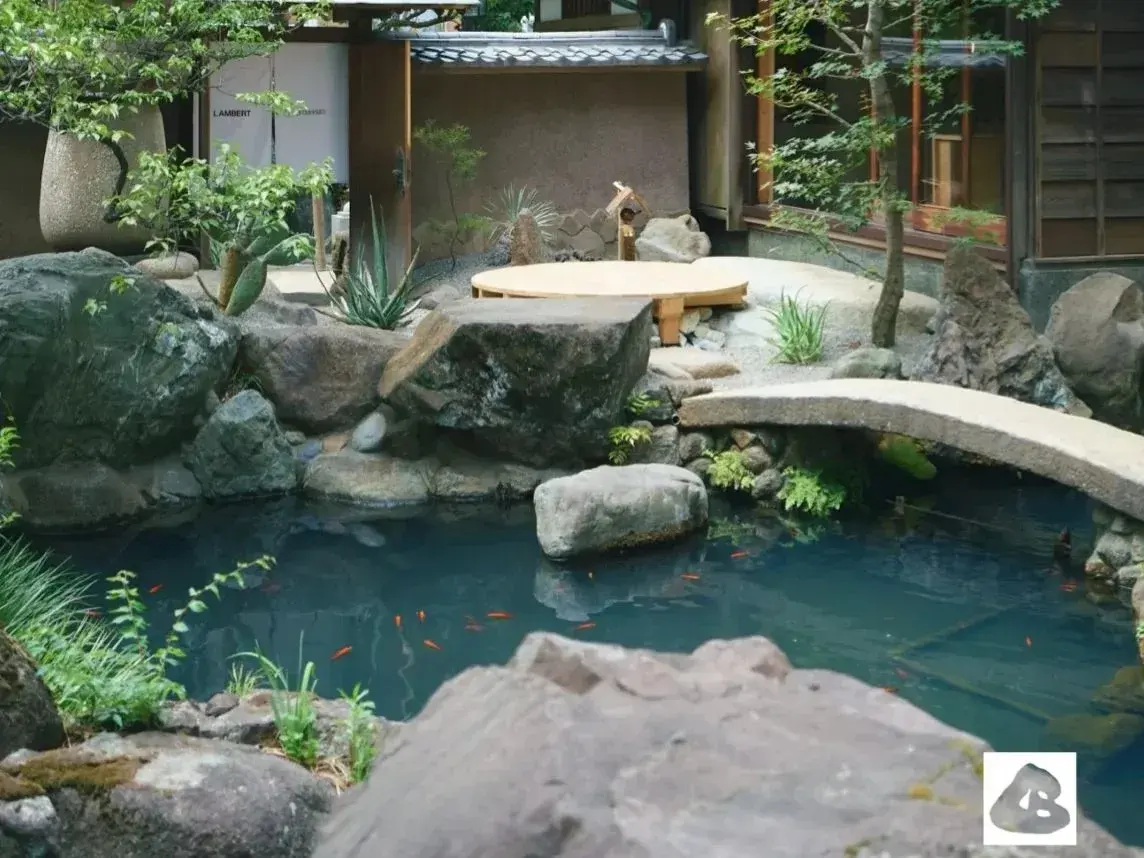
LAMBERT
ShinjukuOkubo Station7 min
Opened in September 2025 in a quiet residential pocket of Hyakunincho, LAMBERT occupies a roughly 70-year-old Japanese house restored around a garden of megaliths, a pond and a small waterfall. The kitchen builds its menu on organic matcha grown in Izumo, Shimane, whisked to order and served alongside a short coffee list; 30g tins of both the organic and non-organic Izumo lots are sold to take home. Indoor seating is fully reservation-only, though walk-ins can order takeaway or sit outside. A second-floor gallery hosts rotating art. The gate, stone path and water make it feel far from Okubo's crowded main streets.
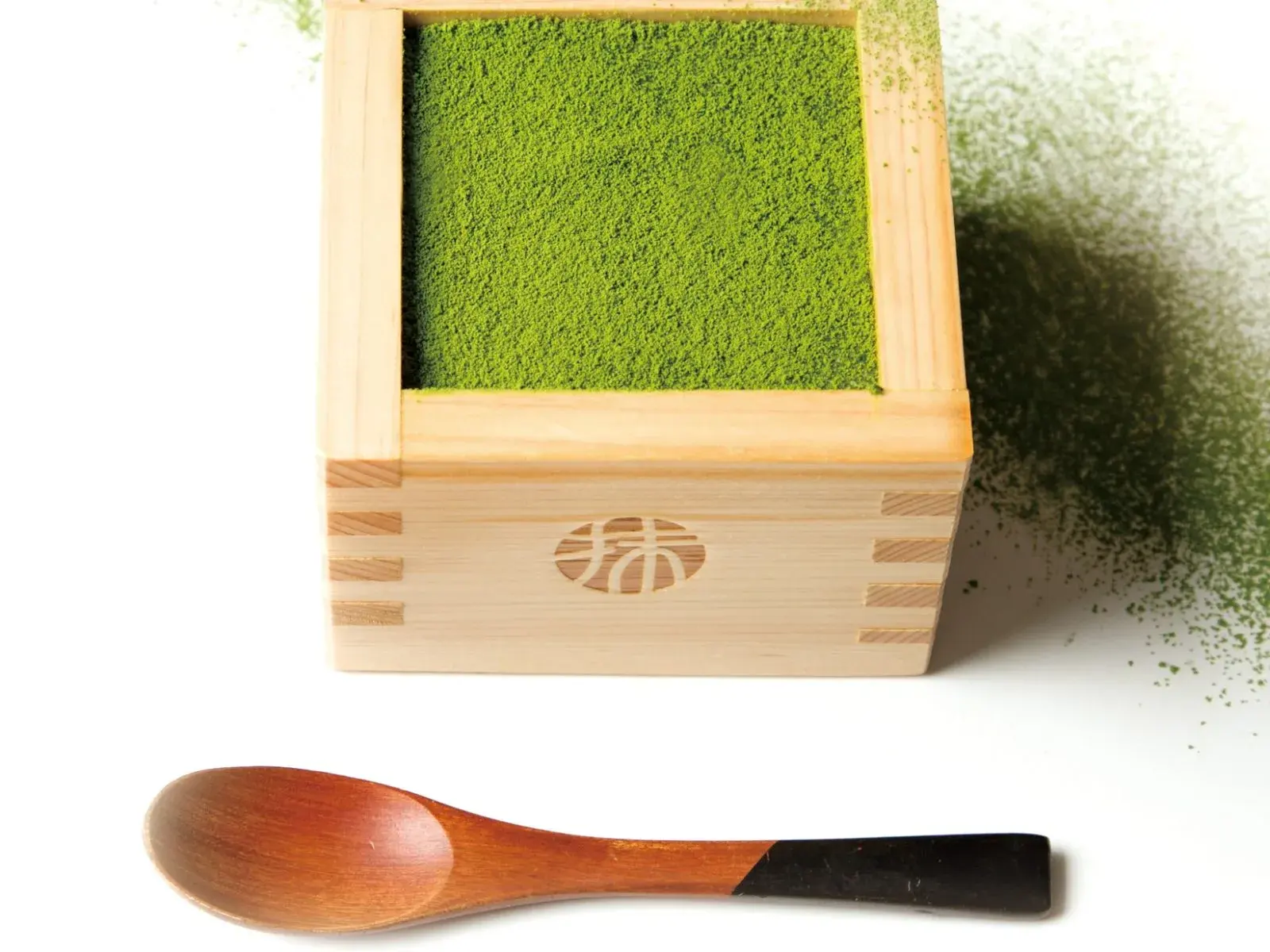
MACCHA HOUSE
AsakusaAsakusa Station3 min
MACCHA HOUSE 抹茶館 浅草仲見世通り is a matcha specialty shop on Asakusa's Nakamise-dori that uses matcha selected by tea masters of the long-established Kyoto tea house Morihan, founded in 1836. Its menu includes freshly whisked matcha drinks and matcha lattes available in three strength levels, the signature Uji matcha tiramisu served in a cypress box, matcha parfait and matcha warabi mochi, and guests can also whisk their own matcha. The shop has 44 seats and offers takeaway.

MARUZEN Tea Roastery
AsakusaAsakusa Station12 min
Shizuoka-rooted specialty bar inside the Shibuya Stream complex. Single-origin matcha and roasted hojicha served as flights with tasting notes printed on small cards. Bright, modern bar seating and English-speaking staff make it friendly for serious tea-curious tourists. The on-site roaster releases freshly-roasted tencha most afternoons. Order the matcha flight first, then the hojicha latte to feel the contrast between freshly-stone-milled matcha and the roastier baseline of their hojicha line — a good vertical for understanding the green-to-brown spectrum.
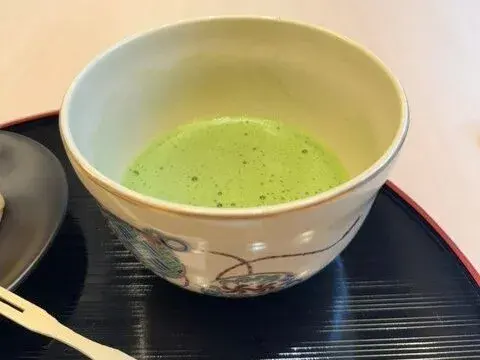
MATCHA CAFE & STUDIO ASAKUSA
AsakusaAsakusa Station4 min
MATCHA CAFE & STUDIO ASAKUSA is a matcha cafe in Asakusa serving Uji matcha as matcha lattes, matcha sweets and matcha pancakes. Seating is available on the second floor, and a Japanese-style room is used for matcha experiences. It is about a 4-minute walk from Asakusa Station.
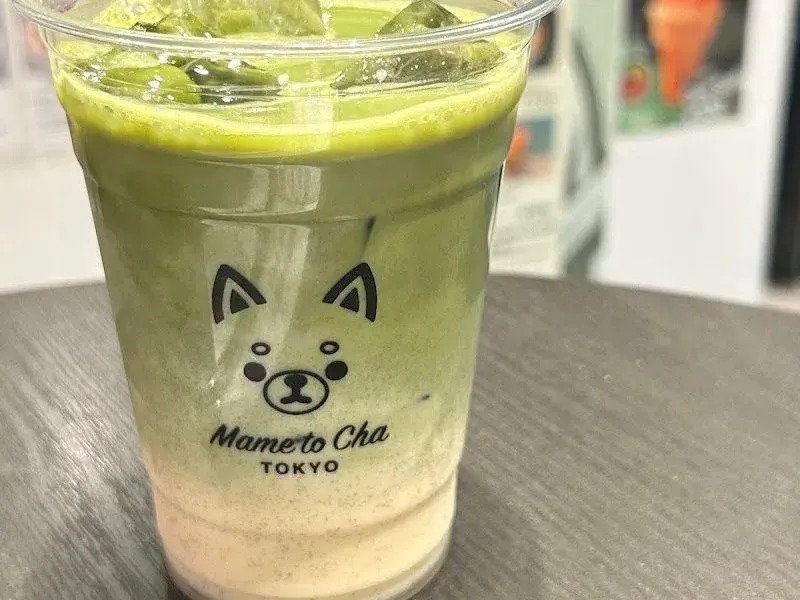
MATCHA CAFE | MAME-TO-CHA Matcha Asakusa
AsakusaAsakusa Station4 min
An organic matcha specialty café in Asakusa, Tokyo. Customers choose their preferred grade from PREMIUM, CEREMONIAL or IMPERIAL when ordering matcha. The matcha is made from organic Okumidori leaves grown on the shop's own farm in Japan, and its premium organic matcha is sold at ¥10,000 for 30g.
MATCHA CAFE MARUNI TOKYO TSUKIJI
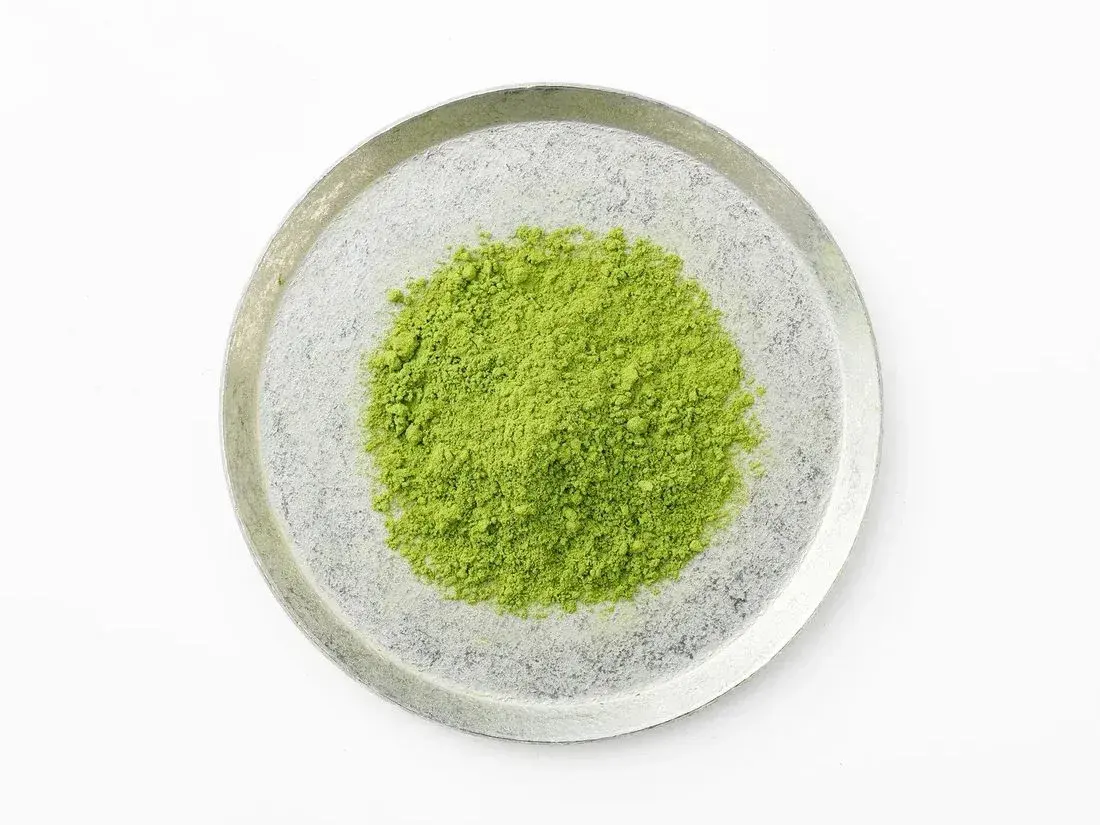
TsukijiTsukiji Station5 min
A matcha stand and cafe in Tsukiji, started in 2018 as a brand of MARUNI, a nori seaweed shop founded in 1923. Staff whisk the matcha in front of you for matcha lattes, and the sweetness can be chosen from three levels: unsweetened, light or normal. The white-toned interior has counter and bench seating in a standing style, and matcha affogato and other matcha sweets are also on the menu.
Matcha Cafe SHIMOCHA
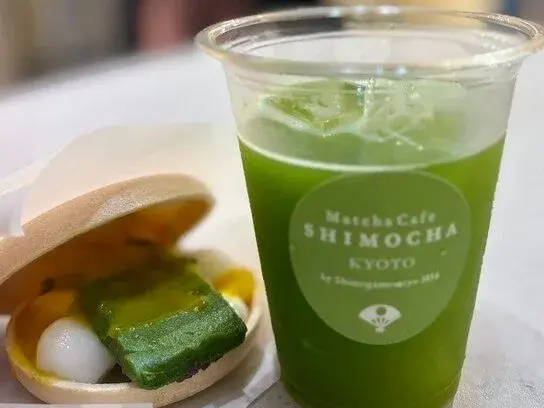
AzabudaiKamiyacho Station3 min
Matcha Cafe SHIMOCHA is a matcha-focused cafe opened by Kyoto's Shimogamosaryo in Azabudai, Tokyo. It serves matcha in casual everyday forms such as matcha latte, matcha soda, matcha smoothie and matcha highball, alongside sweets including a matcha sandwich made with the restaurant's matcha terrine and soft serve. The shop is a bright green-and-white space with wood textures, located just behind Azabudai Hills and about a three-minute walk from Kamiyacho Station.
Matcha Making Tokyo | Cooking Class in Japan
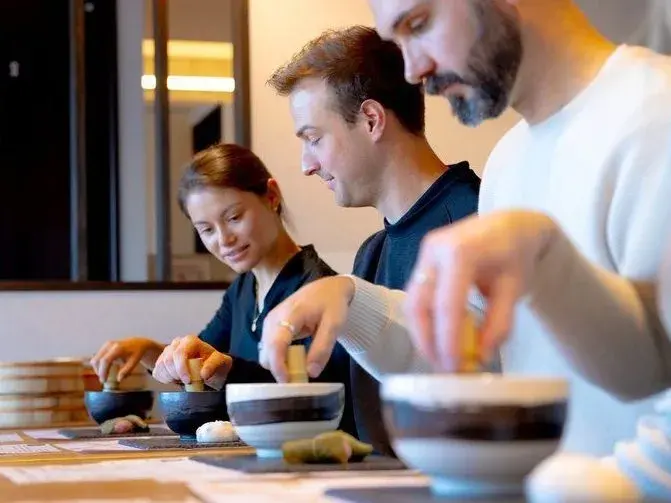
AsakusaAsakusa Station1 min
Matcha Making Tokyo is a matcha-making class in Asakusa, Tokyo, where guests whisk their own matcha by hand and learn from matcha master instructors. The English-friendly class teaches how to prepare matcha and how to enjoy wagashi, and welcomes beginners, solo travellers, couples and groups. It is about a one-minute walk from Asakusa Station.

MATCHA MEIJIN Cafe GINZA
GinzaGinza Station5 min
This shop is conveniently located right between Ginza Station and Higashi-Ginza Station. Another highlight is the opportunity to prepare your own matcha at a reasonable price. The menu also features wagashi (traditional Japanese sweets) and zenzai (sweet red bean soup with mochi).

Matcha Passport Tokyo
ShimokitazawaShimokitazawa Station3 min
A second-floor matcha bar on Shimokitazawa's Ichibangai shopping street, opened by Kantaro Fumoto and Robert Rudini and supplied by Shizuoka tea producer Marushichi Seicha. The draw is a rotating list of single cultivars and blends named after Japanese folk creatures, including Komainu for umami, Tanuki for a nutty profile and Reiyo from Aichi for balance, which staff will talk through before you order. Beyond the signature latte there is usucha, Earl Grey and strawberry versions, and a burnt matcha cheesecake. Bilingual staff make it one of the easier matcha specialists in Tokyo for visitors. Later in the evening the room shifts toward matcha cocktails.
Matcha stand IPPUKU -wabisabi-
TsukijiTsukiji Station5 min
A matcha stand in Tsukiji, Chuo City, on the first floor of Sumiyoshi market (住吉市場内 1階). Google lists it as a café in the mid price band, open 8:00–16:00 every day.
Matcha Stand Maruni TOKYO TSUKIJI
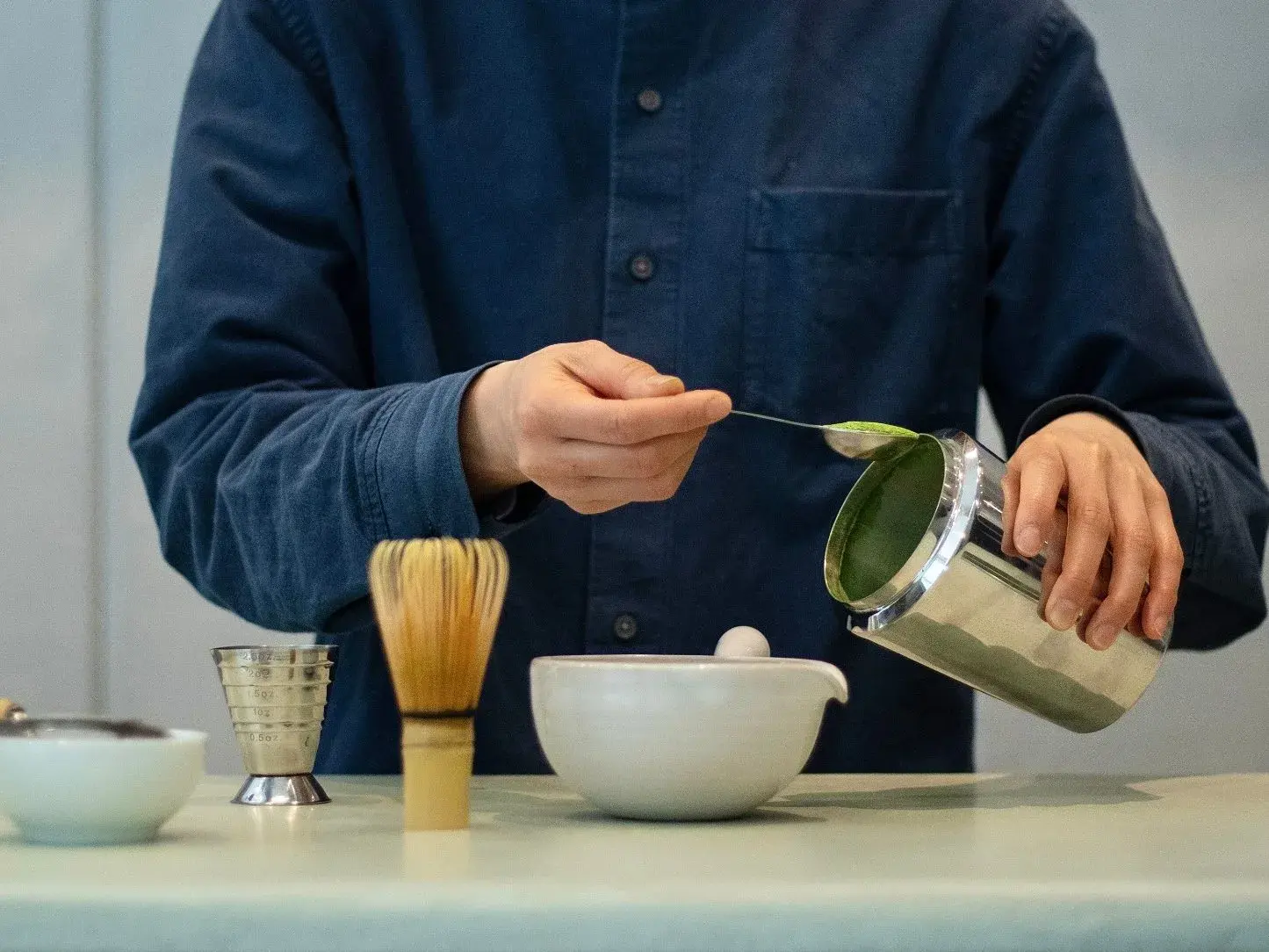
TsukijiTsukiji Station10 min
Takeaway-only stand near Inokashira Park. Strong matcha latte with optional oat or soy milk; soft-serve in cones during summer; matcha financiers from a nearby bakery. Three seats outside under a small awning. Pair with a park walk through Inokashira for an easy afternoon, or combine with the Ghibli Museum if you've booked an entry slot. The shop opens at 11am and closes once the daily supply of stone-milled matcha runs out, typically around 5pm on weekends.
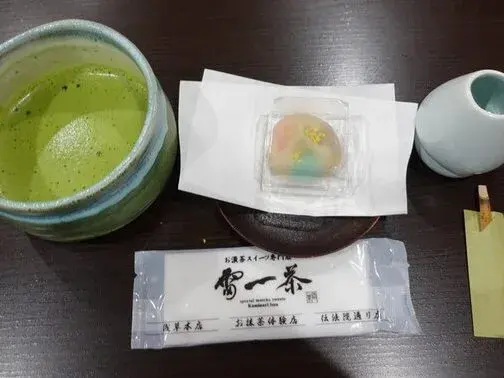
Matcha Sweets Kaminari-Issa
AsakusaAsakusa Station7 min
A matcha sweets shop in Asakusa that uses first-flush tea stone-milled in Kyoto for its rich 'okoicha' range of cakes, cream puffs, puddings and cream mochi. It also runs a casual matcha-whisking experience, and the menu includes drinks such as matcha latte and matcha beer as well as parfaits and ice cream. The shop is about three minutes on foot from Asakusa Station.
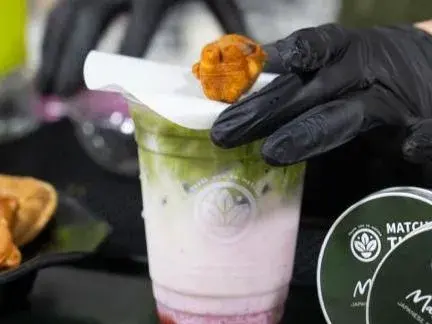
MATCHA TIMES Asakusa
AsakusaTawaramachi Station2 min
MATCHA TIMES Asakusa is a matcha cafe in Asakusa serving drinks and sweets made with matcha sourced from Hamachaen, a tea shop established in 1865. The menu includes matcha latte, creative lattes such as mango and melon, matcha espresso, homemade matcha ice cream and matcha-cream taiyaki. Each cup is hand-prepared in front of customers, with authentic matcha offered at friendly prices.
matcha trip
KuramaeTawaramachi Station3 min
matcha trip is a matcha shop and cafe located on the second floor of Henn Na Hotel in Kotobuki, Taito. It sells matcha and operates as a tea store. There is a 5 brands of matcha compairison, 6 different kinds of green teas compairison,3 lattes compaorospn.

MATCHA& Kiyosumi-Shirakawa
Kiyosumi-ShirakawaKiyosumi-Shirakawa Station7 min
MATCHA&'s first shop, opened in August 2024 simultaneously with a London pop-up, tucked into MITSUME, a pale-wood, white-cube gallery space running since 2014 that now doubles as a cafe. The Uji matcha is blended with fermented and store-cupboard ingredients rather than syrups: white miso, roasted kinako, amazake, black sesame, banana, plus a matcha tonic and a water-whisked iced matcha with a clean finish. Drinks start around 550 yen, oat milk is available, and an English menu board is up for visitors. Nineteen seats, takeaway on everything, no reservations. Open Thursday to Sunday only, so check the day before you walk over.
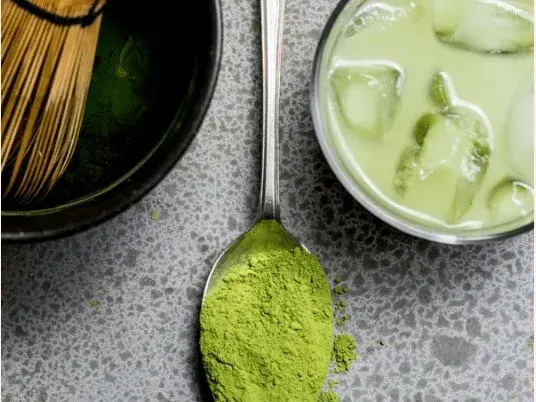
MATCHA&ESPRESSO MIYANO-YU
NezuNezu Station2 min
A 1951 sento that closed in 2008 and reopened as a cafe in 2021, keeping its chimney, its shoe lockers, now used as the order counter, and the bathhouse's improbable ceiling height. The matcha is a rare organic Okumidori from Shizuoka, grown in small volumes by a young farm, and it shares the menu equally with Oceania-style espresso: flat whites, long blacks and shakerato from beans roasted on site. Matcha lattes run about 680 yen, with seasonal house-made wagashi alongside. Around 40 seats across the main hall, a tatami area and a pet-friendly terrace. Closing days are irregular, so check Instagram first.
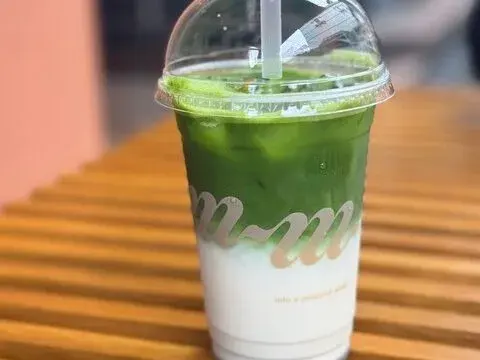
MATCHAMON Asakusa Hanayashiki Street
AsakusaAsakusa Station8 min
The second Japanese outpost of MATCHAMON, a Kyoto matcha-stand brand whose first shop sits near Nijo Castle; the Asakusa branch opened on Hanayashiki-dori in April 2026. The house rule is that only Japanese-grown matcha meeting international quality standards goes into the drinks, served from a compact ground-floor counter on the lane running between the back of Senso-ji and the old Hanayashiki amusement park. It opens at nine, earlier than most of the neighbourhood, which makes it a workable first stop before the temple grounds fill up. The launch was marked with a self-whisking matcha course paired with daifuku by the mochi artist FEUWA.

MATCHAMON GINZA SIX
GinzaGinza Station5 min
MATCHAMON is a matcha brand running a limited-time pop-up store at GINZA SIX in Ginza, open from 17 July 2026 to 26 October 2026. It serves matcha lattes made with selected Japanese matcha, plus seasonal limited drinks and matcha products. Google lists the venue as a cafe with a price band of 1.
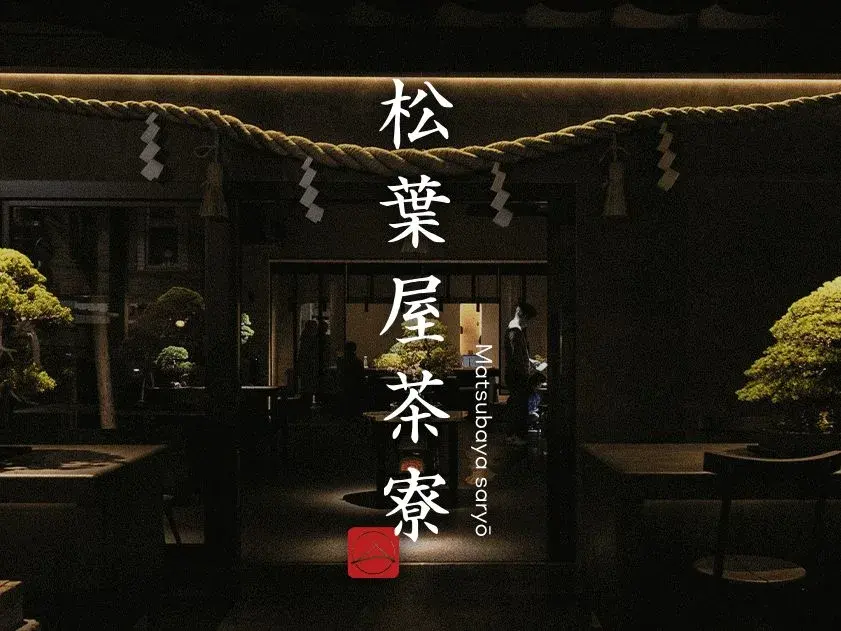
Matsubaya Saryō / Hakobune Gallery
AoyamaOmotesando Station6 min
A dark, easily missed frontage on a Minami-Aoyama side street hides a tearoom built around bonsai and cedar. Behind the noren, candle lanterns throw root-like shadows across concrete walls, warmed tea leaves smoulder in a chakouro, and the room runs quiet enough that the street disappears. The menu is short and tea-first: matcha and sencha in the morning, hojicha latte later, sake in the evening, with the matcha latte the drink most visitors come for. A counter at the back offers a tea-ceremony seating for a per-person charge. Reservations can be made through the shop's own site.
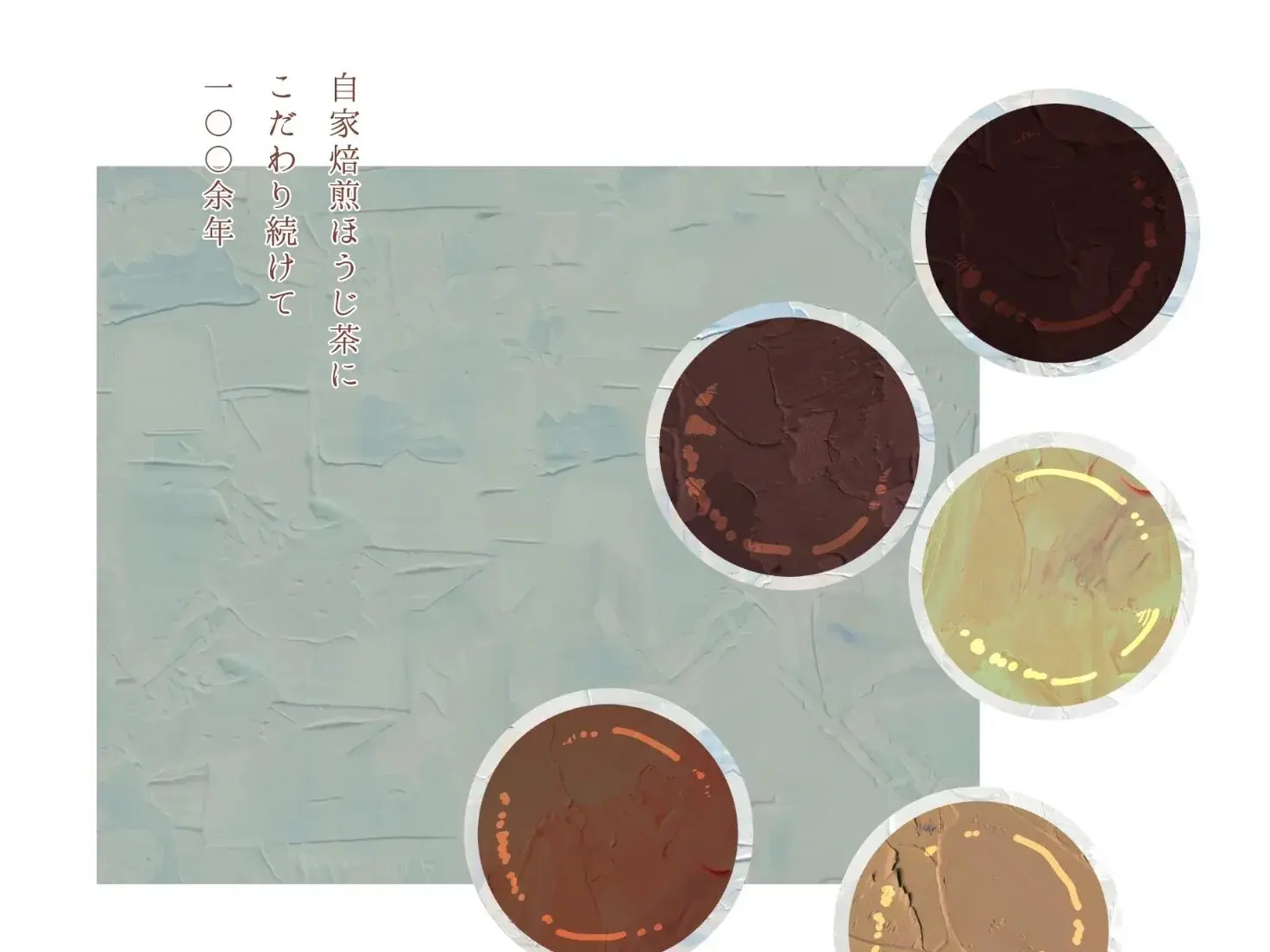
Morinoen
NingyochoNingyocho Station1 min
Morinoen is a hojicha tea shop founded in 1913 in Ningyocho, with a sweet shop (kanmidokoro) attached to the store. Besides tea products it sells hojicha soft serve at the shop, and the cafe serves hojicha parfaits and matcha beer.
Mt.FUJI MATCHA PANCAKES | BAR & CREPERIE
TsukijiTsukiji Station5 min
Mt.FUJI MATCHA PANCAKES | BAR & CREPERIE is a cafe in Tsukiji serving matcha sweets, pancakes, kakigori (shaved ice) and a rich matcha latte made with Yame matcha from Fukuoka, along with tea-based alcohol such as tea sake. The spacious room, said to be over 80 years old, has counter and sofa seating and occasionally hosts live piano performances. It is about a 5-minute walk from Tsukiji Station.
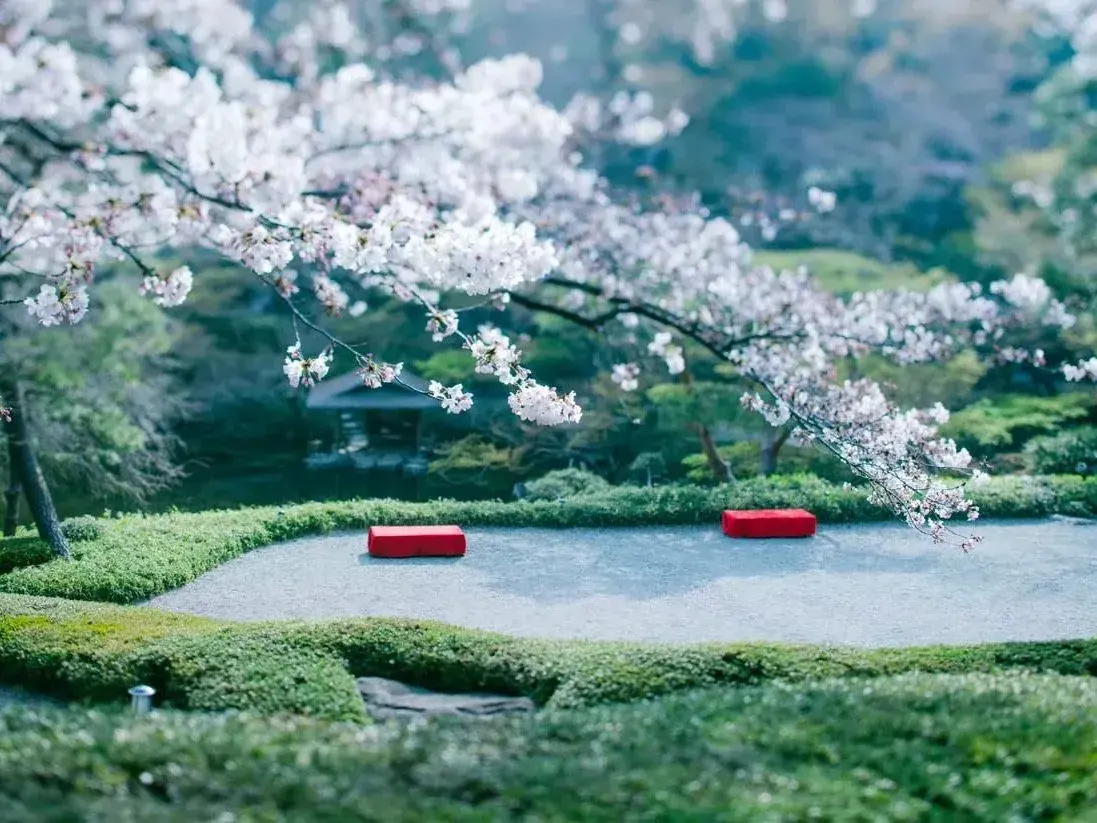
Mu-an Tea House
ShirokanedaiShirokanedai Station11 min
Formal chashitsu inside the Happo-en garden complex. Hourly ceremonies of about 45 minutes in English on request, with the option to add a kaiseki lunch in the adjoining restaurant. Higher price reflects the garden access, which is worth it; pair with a stroll around the bonsai walk before or after. Best in early April for cherry-blossom photographs against the pond, or November for the maple turn — both windows book out three to four weeks ahead.
NAGOMI MATCHA -Tokyo-
TsukijiTsukiji Station2 min
NAGOMI MATCHA -Tokyo- is a cafe in the Tsukiji area of Chuo City, Tokyo, at 3-chōme-10-9 Tsukiji. The listing places it in the lowest price band. It opens every day from 8:00 AM to 4:00 PM.
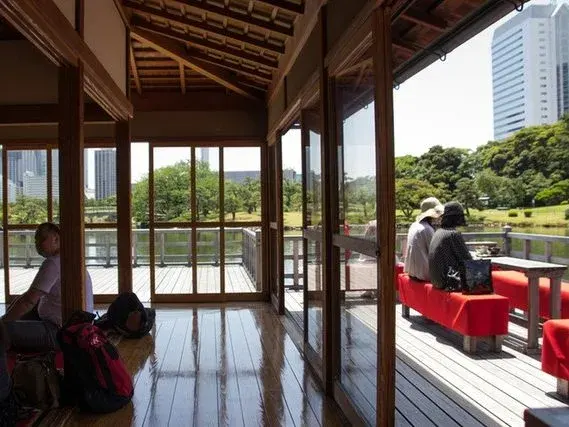
Nakajima Tea House
HamarikyūteienShiodome Station7 min
Nakajima Tea House (中島の御茶屋) is a tea house on an island inside Hamarikyu Gardens, reached by crossing a bridge over the pond. It serves matcha, including a matcha set of roughly ¥850 with wagashi, in a setting where you look out over the water. The garden draws seawater into its tidal pond, and the tea house itself closes at 16:45 with last orders at 16:30.
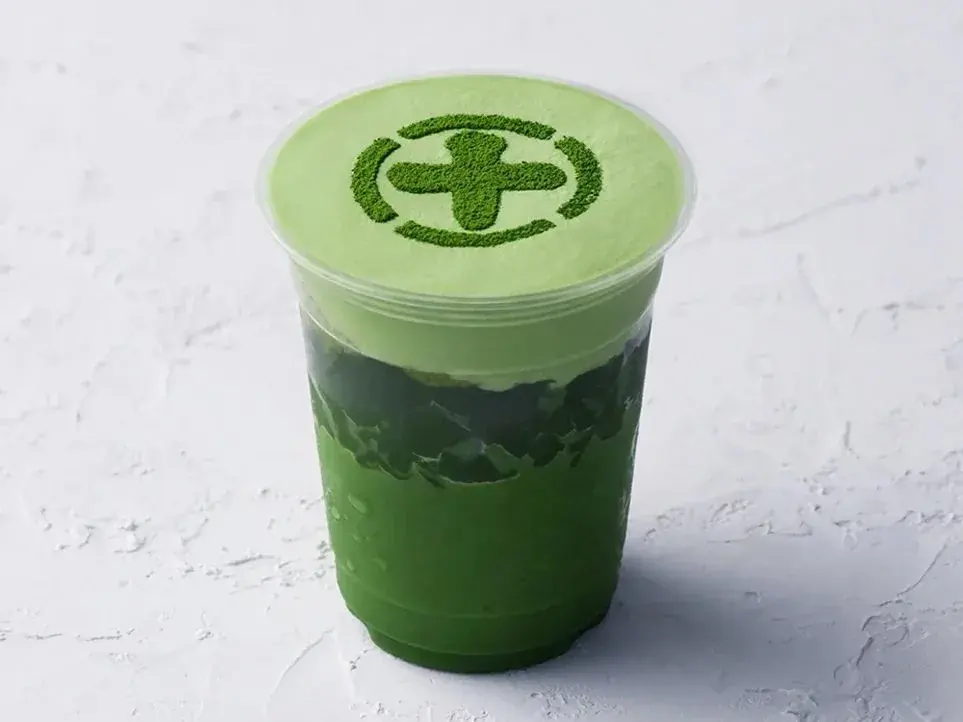
Nakamura Tokichi Azabudai
AzabudaiKamiyacho Station1 min
Nakamura Tokichi Azabudai is a branch of the Uji tea house Nakamura Tokichi, founded in 1854, and sits on the B1 floor of Azabudai Hills Garden Plaza B. The shop has a store section and a TOGO takeaway counter, and serves tea and dessert items. It is about one minute on foot from Kamiyacho Station on the Tokyo Metro Hibiya Line, and opens 10:00–20:00.
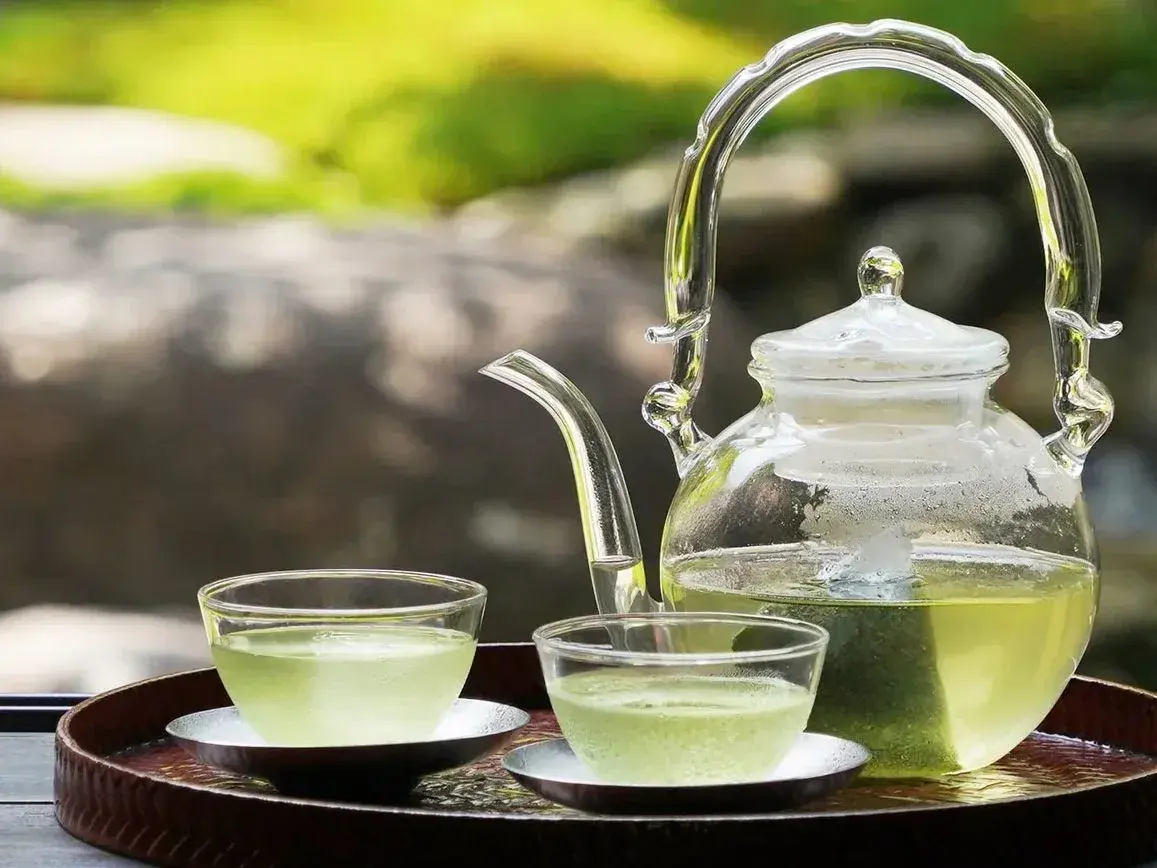
Nakamura Tokichi Ginza
GinzaGinza Station11 min
Uji-born tea house with a 160-year heritage now in Ginza Six. Known for hand-whisked usucha, koicha sets, and seasonal warabimochi parfaits layered with matcha jelly. Counter-only seating and reservation recommended at weekends. Staff guide first-timers through the difference between traditional and sweet matcha service, explaining how the same powder reads differently when paired with wagashi versus shaved ice. A reliable first stop for travellers who want depth without intimidation, central enough to combine with shopping or a museum visit.
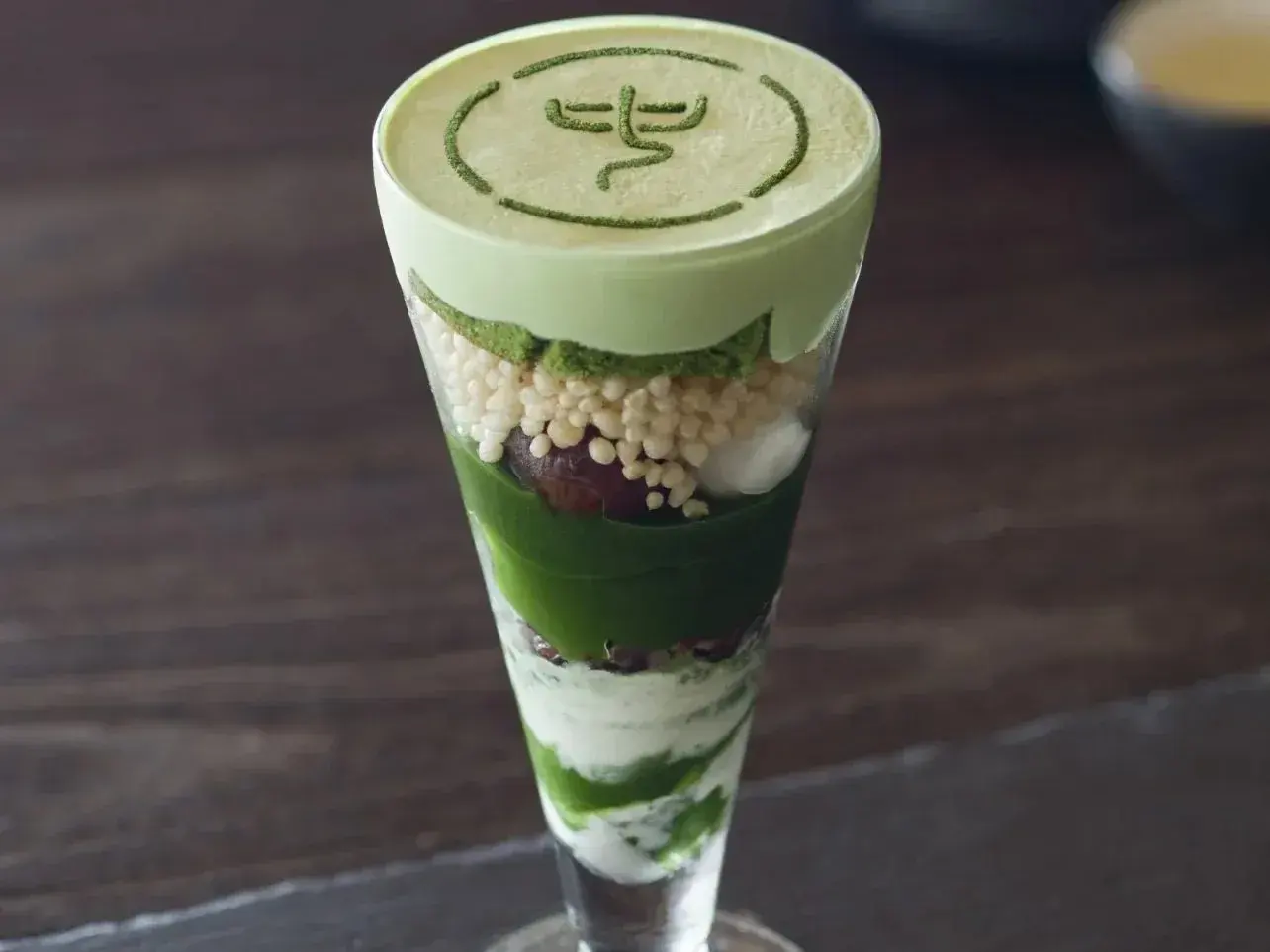
Nakamura Tokichi Ginza Store
GinzaGinza Station2 min
Nakamura Tokichi Ginza ten is the Ginza branch of a long-established Kyoto tea house, located on the 4th floor of GINZA SIX with a cafe, tea shop and takeaway counter. The cafe serves matcha desserts such as parfaits, ice cream, cheesecake and Mont Blanc, as well as matcha lattes and other matcha drinks. Reservations are not accepted, so expect to wait at busy times.
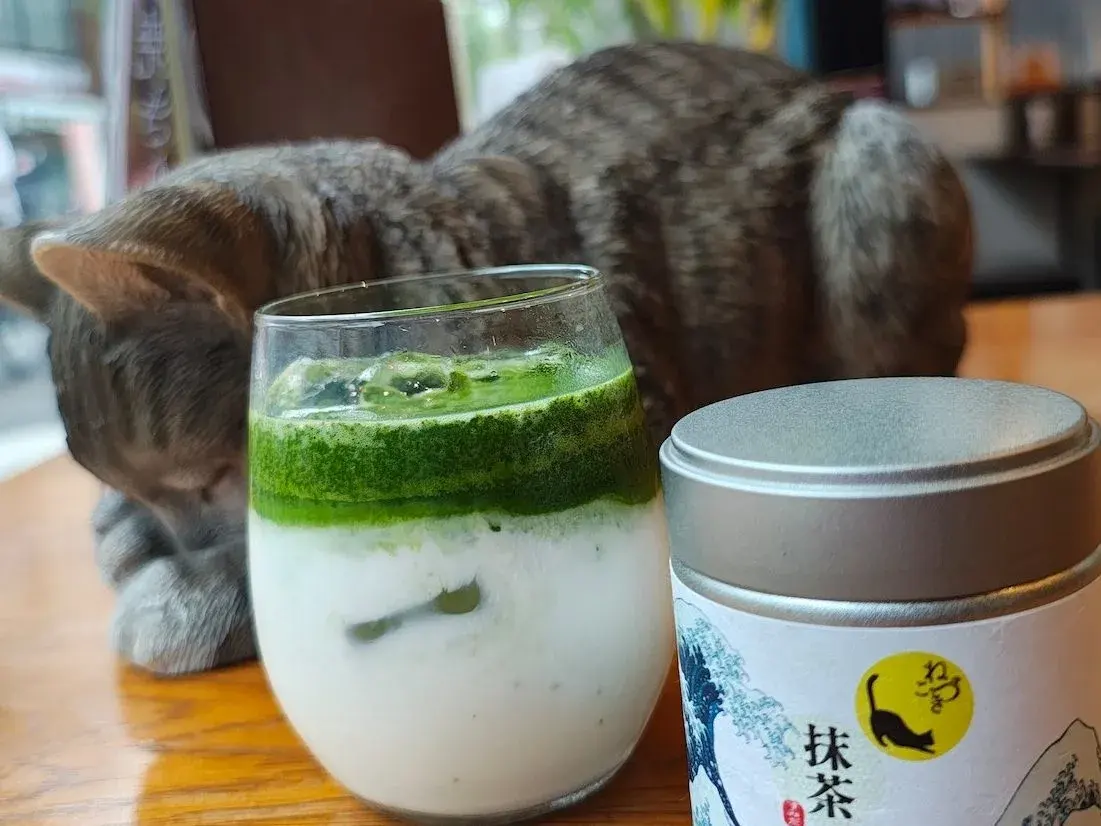
Nekozuki Pancake Café
KinshichoKinshicho Station10 min
Nekozuki Pancake Café is a café in Kinshicho known for its signature thick hotcakes (厚焼きホットケーキ), served from the morning along with sweets. The shop also offers 100% organic, JAS-certified Uji matcha sourced directly from Ujitawara in Kyoto, which it recommends for traditional tea preparation, matcha lattes, or pairing with its pancakes. English information is provided.
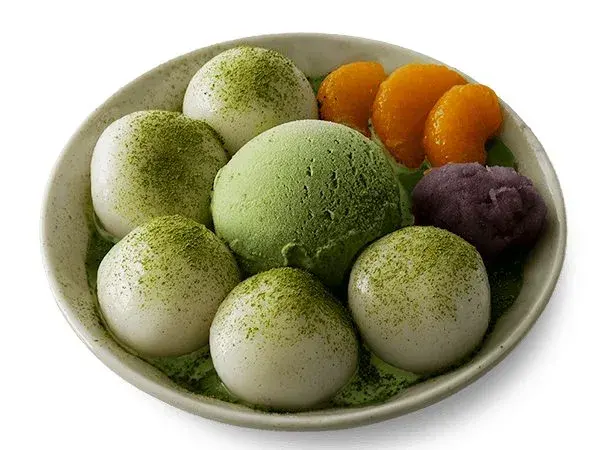
NOA COFFEE MATCHA SALON
HarajukuHarajuku Station1 min
Opened 15 October 2025 just inside Takeshita Street, this two-floor salon splits its work between a cafe and a working tea room. The second floor serves custom Uji matcha lattes and matcha desserts supervised by Chikusuian, the Kita-Kamakura tea house, alongside NOA's long-running handmade waffles and gelato. The third floor holds Chikusuian's Harajuku annex, where a tea master whisks a bowl of usucha with a seasonal wagashi in front of you for 1,500 yen on a walk-in basis; a longer reserved plan lets you whisk your own. No etiquette knowledge is expected.
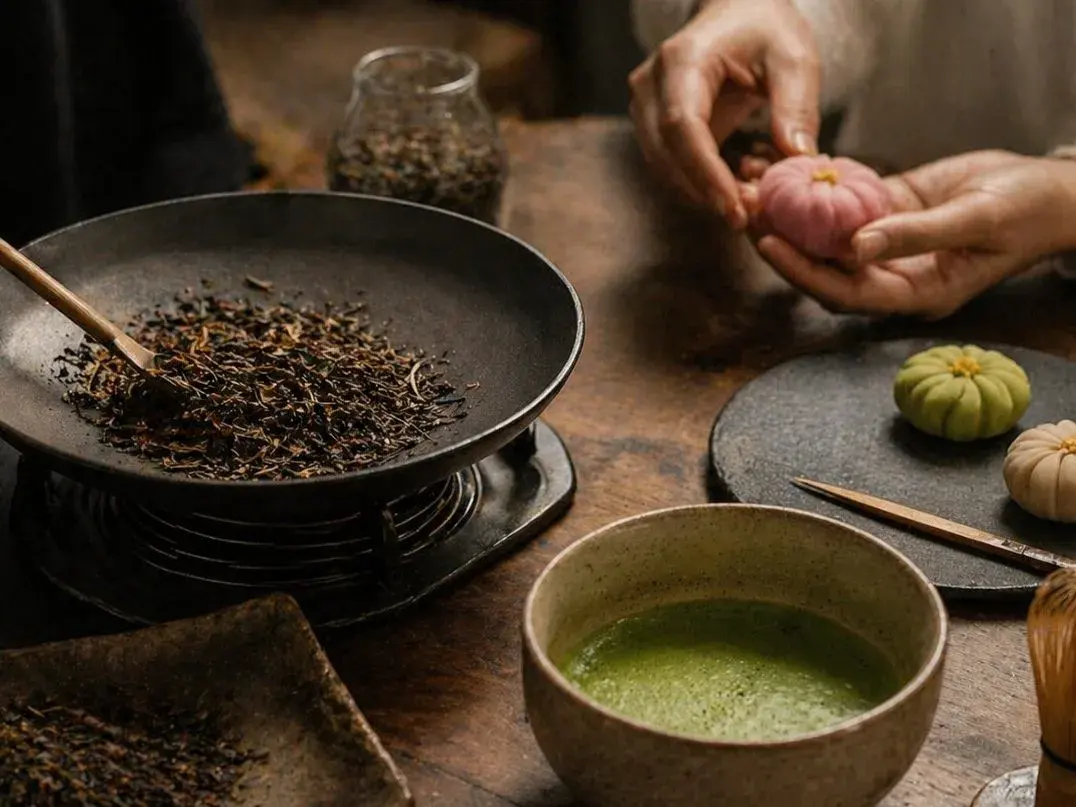
Re:Route CAFE Jiyugaoka
JiyugaokaJiyugaoka Station2 min
A basement tea cafe two minutes from Jiyugaoka station that treats Japanese tea as something to drink, eat and do. Matcha sits alongside sencha, gyokuro, hojicha and wakocha, brewed in a kyusu or poured into wine glasses to open the aroma, with the same leaf served at different temperatures to show how sweetness and astringency shift. The sweets are built from tea rather than flavoured with it: a tea terrine, a tea bonsai, a moss-garden dessert. Bookable workshops cover whisking matcha yourself, roasting your own hojicha and shaping nerikiri wagashi. Drinking and eating need no reservation; the hands-on courses do.
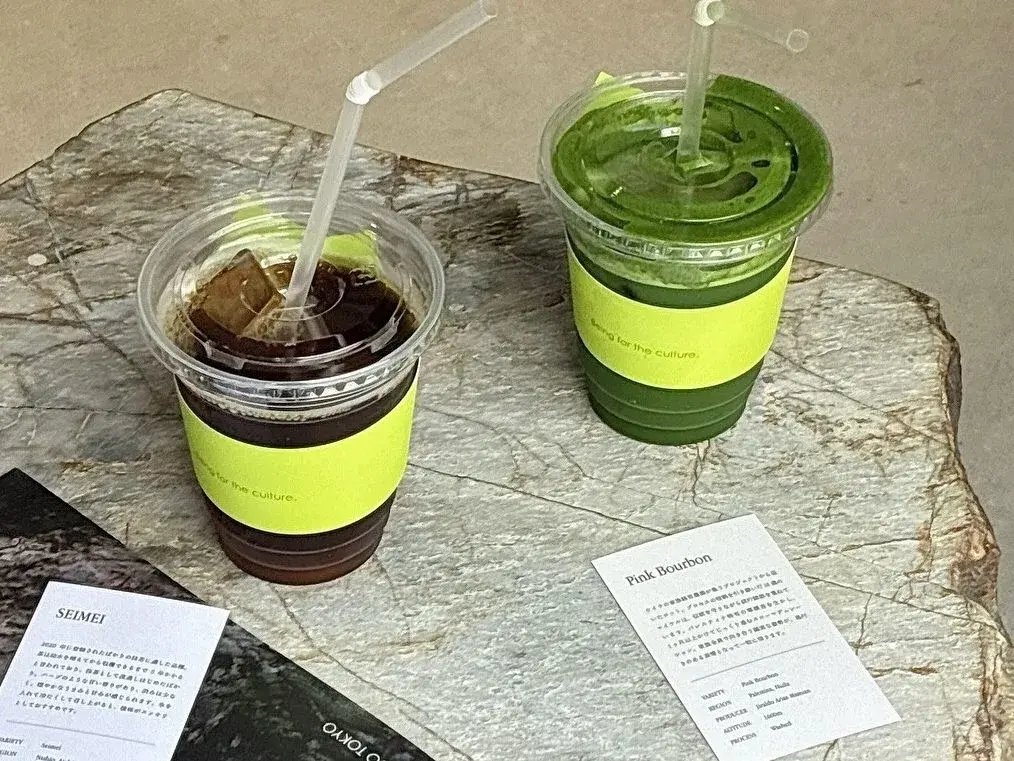
SABO TOKYO
AsakusabashiAsakusabashi Station1 min
SABO TOKYO is a flagship store from SABO, the company behind the coffee brand haiz coffee and the matcha brand SABO MATCHA, which opened in Asakusabashi on 8 August. It serves specialty coffee alongside premium matcha, with matcha latte among the drinks on offer. It is about a minute's walk from Asakusabashi Station and lists no regular closing day.
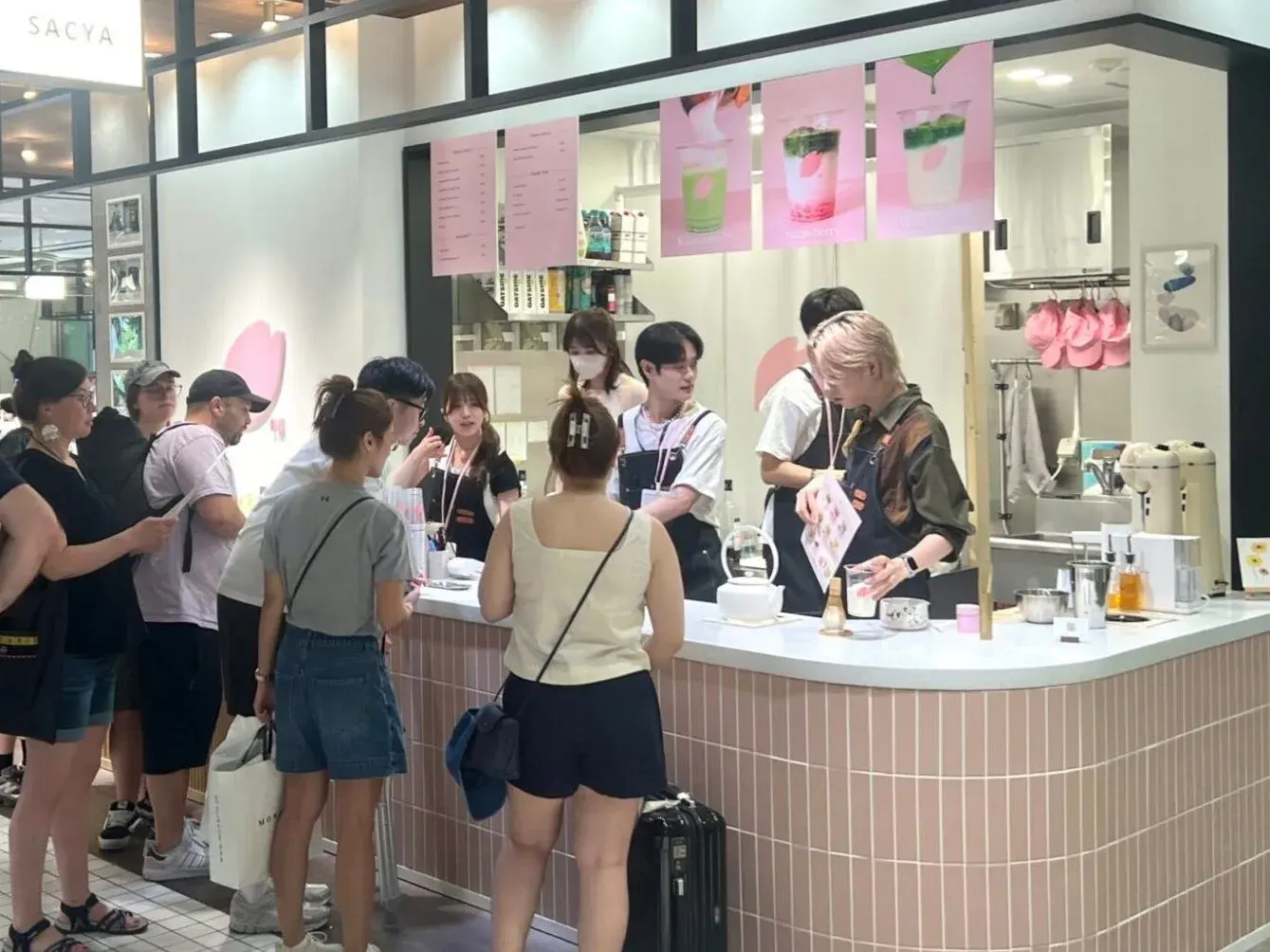
SACYA Matcha Cafe Stand|Shibuya Scramble Square
ShibuyaShibuya Station1 min
A matcha-focused cafe stand on the B2F floor of Shibuya Scramble Square, directly connected to Shibuya Station. It serves matcha drinks including the MATCHA LATTE (690円), prepared fresh in front of customers in what the shop calls a “modern tea room.” Shared eat-in table seating is available, and it is open every day from 10:00 to 21:00, following the facility's hours of operation.
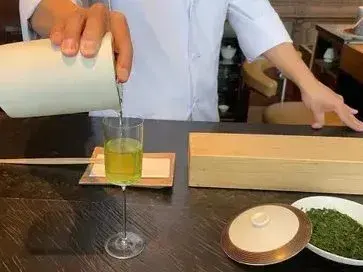
Sakurai Japanese Tea Experience
AoyamaOmotesando Station3 min
On the fifth floor of the Spiral building, Shinya Sakurai's tea laboratory pairs a retail counter with a ten-seat tea salon designed by Shinichiro Ogata. Staff in white coats work like technicians, roasting hojicha in-house and building multi-course tea flights that move through gyokuro, seasonal blends and a bowl of thin matcha with wagashi. Courses start around 4,800 yen; a bar menu of tea-based cocktails runs later on weekdays. Monthly tasting seminars cover single themes, matcha among them. Reservations through TableCheck are advisable given the counter's size, and the room is unusually quiet for central Aoyama.
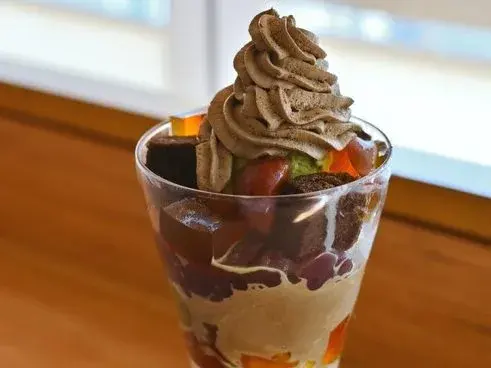
Saryo Tsujiri Marunouchi
MarunouchiTokyo Station10 min
Quieter sit-down sister of Tsujiri inside the Marunouchi Building, designed around a long counter and warm wood tables. Set menus pair grade-graded usucha with wagashi shipped weekly from Kyoto. Good for travellers who want the formality of a tea room without the strict etiquette of a chashitsu — staff will explain the temperature, whisk angle, and bowl on request. Lunchtime queues move quickly because most guests stay 35-45 minutes for a full set rather than ordering individual drinks.
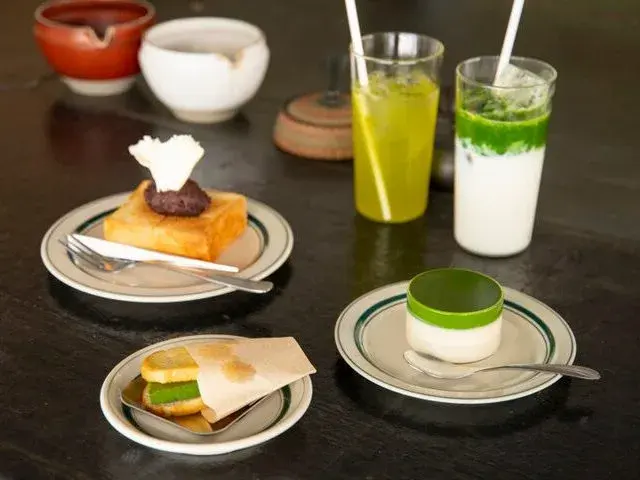
Saten Japanese Tea
Nishi-OgikuboNishi-Ogikubo Station7 min
Tiny neighborhood specialty tea bar run by award-winning baristas. The matcha latte is meticulously layered; the straight bowls are sourced from small farms in Kagoshima and Uji and change every few weeks. A pilgrimage spot for matcha enthusiasts in west Tokyo, far enough off the tourist trail to feel local. Six seats, often a 15-minute wait at weekends, no reservations. Best combined with a slow afternoon in Nishi-Ogikubo's antique district rather than a quick in-and-out visit.
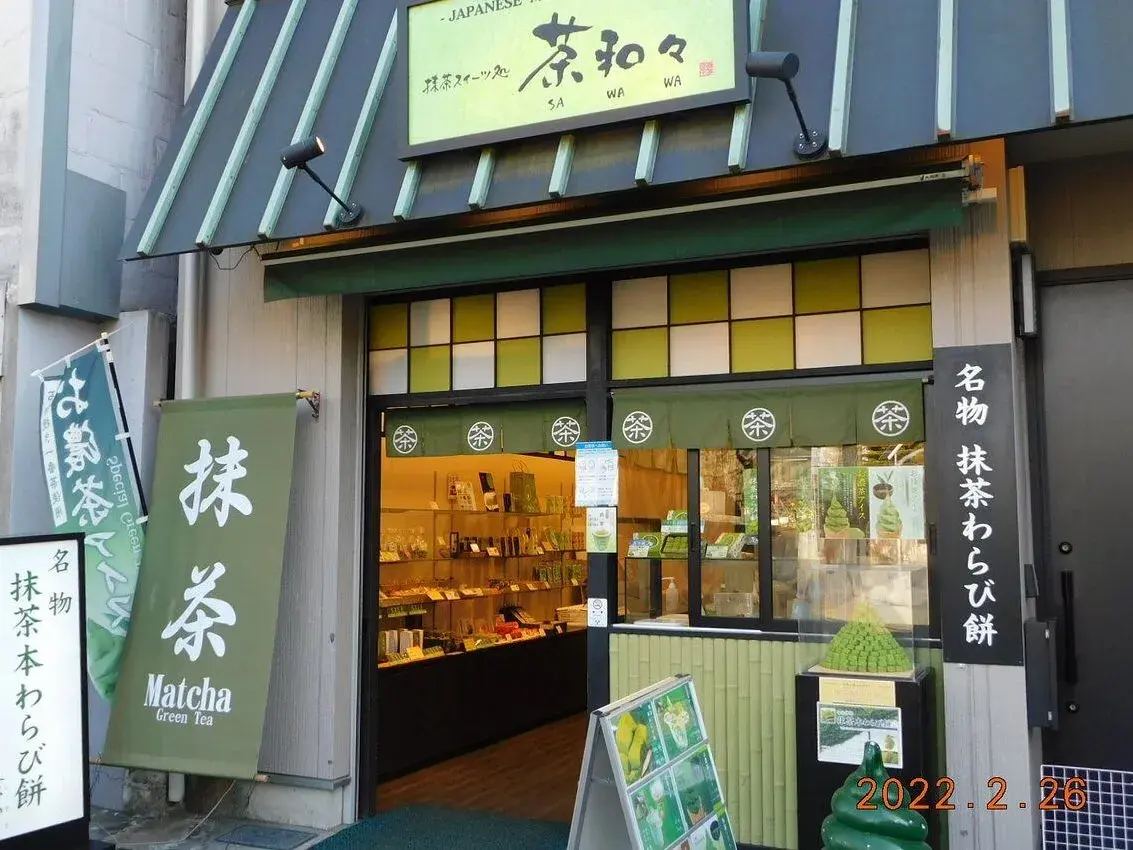
SAWAWA Matcha Sweets Shop Asakusa
AsakusaAsakusa Station5 min
SAWAWA Matcha Sweets Shop Asakusa is a matcha sweets shop in Asakusa, Taito City, Tokyo, run by the Telacoya company. Its listings classify it as a wagashi and soft-serve ice cream shop, with typical prices under ¥1,000.
Senchado Tokyo Ginza Shop
GinzaHigashi-ginza Sta.2 min
This is a specialty tea shop where you can taste and compare different teas before purchasing the leaves. Senchado Tokyo Ginza is a Japanese tea specialty shop in Ginza devoted to single-origin sencha — teas from a single farm and a single cultivar — sourced from growing regions such as Shizuoka and Kagoshima. More than ten cultivars are on the shelf at a time, each with a card noting its sweetness, bitterness and umami, and over 50 cultivars have been handled since the shop opened in 2017. It also sells its "transparent teapot" and runs the TOKYO TEA JOURNAL monthly tea subscription.
SHAKA SHAKA MATCHA
OmotesandoOmotesando Station5 min
Opened 1 April 2026 on the ground floor of the Walnut building in Minami-Aoyama, this is a standing tasting stand rather than a sit-down cafe. The premise is comparison: matcha sourced from several Japanese growing regions, poured side by side as thin tea so the differences in aroma and body are legible, with staff explaining origin, cultivar and preparation and suggesting a bowl to suit the day. Anything you like can be bought on the spot in the shop's own tin. Takeaway lattes are available for those not staying. Staff can serve in English.
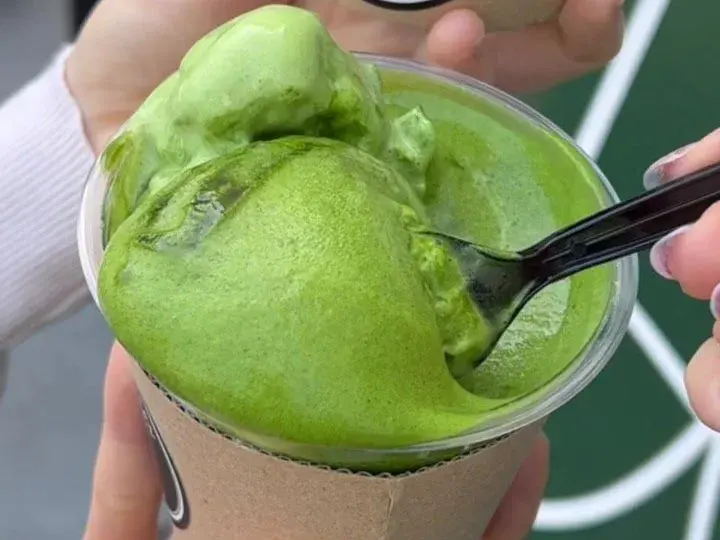
Shimokita Chaen Ōyama
ShimokitazawaShimokitazawa Station4 min
A Japanese tea specialist run by the Oyama family, whose head holds the tenth dan, the highest grade awarded to Japanese tea appraisers. After 51 years in the old Maruwa Center, the shop moved in October 2021 to reload, the low-rise complex built on the former railway land between Shimokitazawa and Higashi-Kitazawa. It is best known for matcha kakigori made with Marukyu Koyamaen matcha from Uji, and it sells that matcha by the tin alongside sencha and gyokuro. Retail runs from morning, but the tearoom service is takeaway and opens only in the afternoon, so timing matters. Summer waits are common.
Suzukien Asakusa matcha gelato
AsakusaAsakusa Station5 min
Home of the famous seven-step matcha gelato, with Level 7 marketed as the strongest matcha gelato in the world. Pure-style flight from sweet to almost bitter, perfect for tasting the polyphenol intensity climb without the formality of a tea ceremony. Cup or cone, single or double scoop. The shop sits two blocks from Sensoji and queues outside on weekends — visit on a weekday morning to compare Level 1 against Level 7 side-by-side and feel how astringency builds across the spoonfuls.
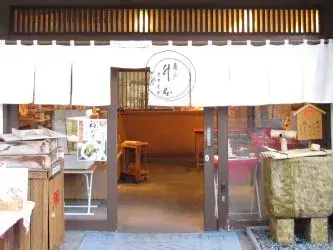
Suzushiro-an
ShibamataShibamata Station3 min
Suzushiro-an is a shop in Shibamata, Katsushika City, part of the Kameido Masumoto group, and is listed as a Japanese restaurant. It sells the Suzushiro-an-limited Kachiun manjū, a sweet made with Kameido daikon that has been blessed at Kameido Katori Shrine. It opens daily from 9:30 to 16:00.
thé et soie
NingyochoNingyocho Station2 min
thé et soie is a Japanese tea café in the Nihonbashi Ningyocho area, serving Japanese tea alongside a vegan dessert set. Its menu includes a tea tasting of four kinds of Japanese tea with tea sweets (¥3,300 including tax), and the café also lists gyokuro. It opens at 12:00 with last order at 17:30.
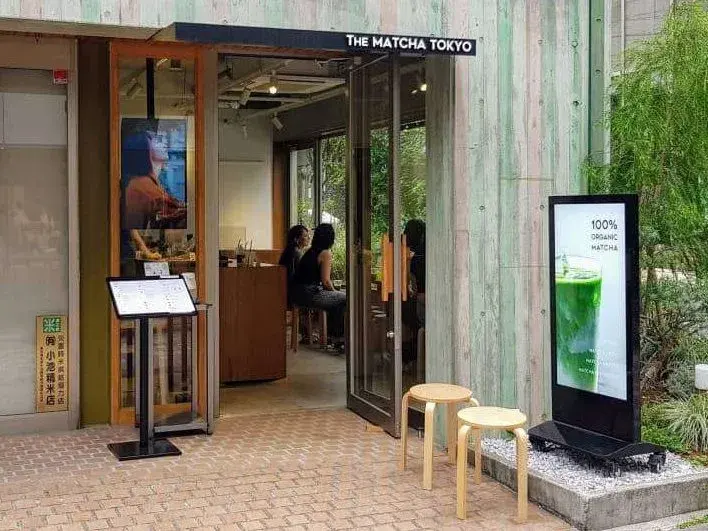
THE MATCHA TOKYO HARAJUKU
HarajukuHarajuku Station1 min
THE MATCHA TOKYO HARAJUKU is a tea stand and cafe in Harajuku from the organic matcha brand THE MATCHA TOKYO, which manages its own tea gardens in Kagoshima and sources organic leaves from regions such as Uji and Shizuoka. The drink menu includes matcha lattes, and the shop has around 30 seats, with interior photos showing a second-floor space. Payment is cashless only.
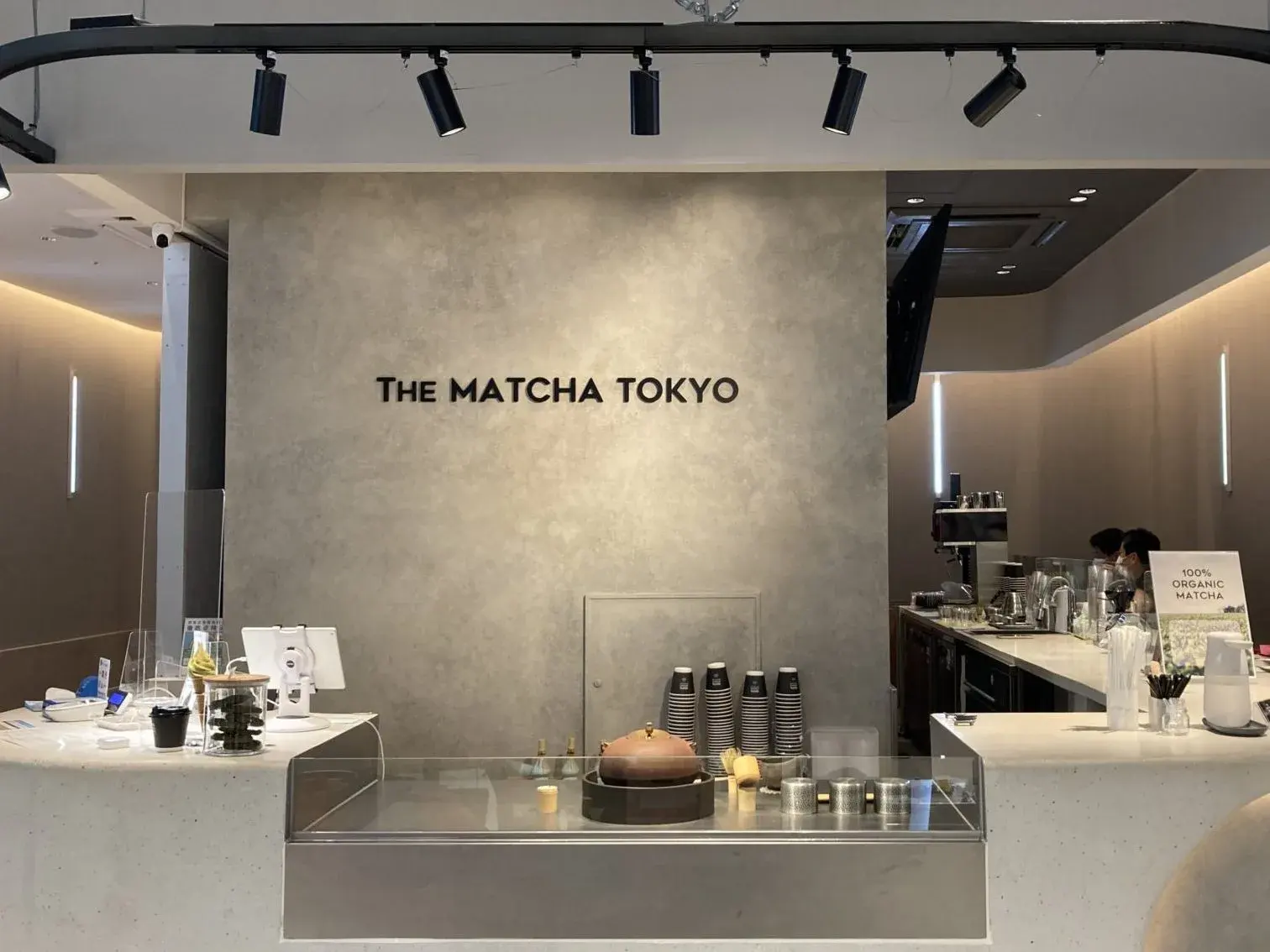
The Matcha Tokyo Miyashita Park
ShibuyaShibuya Station5 min
A branch of THE MATCHA TOKYO inside Shibuya's Miyashita Park, serving drinks made with the brand's high-quality organic matcha. The cafe has 23 seats and is open every day from 11:00 to 21:00.
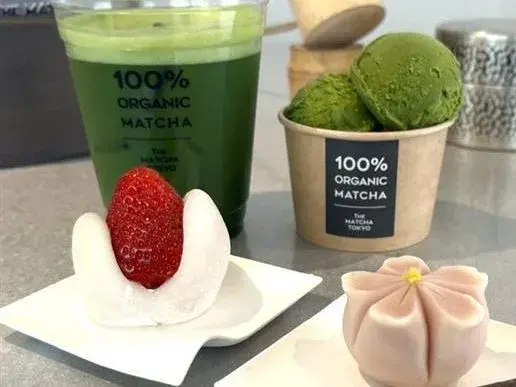
THE MATCHA TOKYO OMOTESANDO
OmotesandoHarajuku Station2 min
A matcha speciality shop on Omotesando serving organic matcha drinks and matcha sweets, with matcha whisked to order using a chasen. Seasonal wagashi and matcha desserts are among the popular items. The white-toned, house-style shop has 25 seats across two floors and offers takeaway.

The Matcha Tokyo Shinjuku
ShinjukuShinjuku Station3 min
THE MATCHA TOKYO is a Tokyo brand serving high-quality organic matcha, and the organic matcha latte is its best-selling café drink. The NEWoMan Shinjuku branch is a small café inside the NEWoMan Shinjuku complex with 8 seats at the counter and seating area. Takeaway is available.
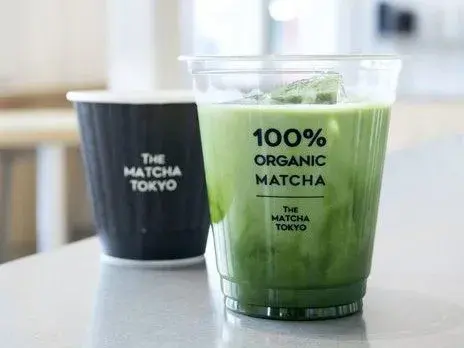
THE MATCHA TOKYO Tokyo Skytree Town Solamachi
OshiageOshiage Station2 min
The Skytree branch of THE MATCHA TOKYO, a 100% organic matcha brand with shops from Omotesando to Hong Kong, Bangkok and Dubai, opened here in March 2024. It occupies unit 11 on the first floor of Solamachi's East Yard, about a minute from Oshiage Station, and is the largest of the group's Tokyo shops by floor area. Drinks come unsweetened by default, so ask if you want sugar; the matcha soft serve is dusted with crunchy matcha sugar crystals. Forty seats, free wi-fi, English-speaking counter staff, and a long shelf of matcha powder, financiers and milk jam for souvenir buyers. Open 09:00 to 22:00 daily.
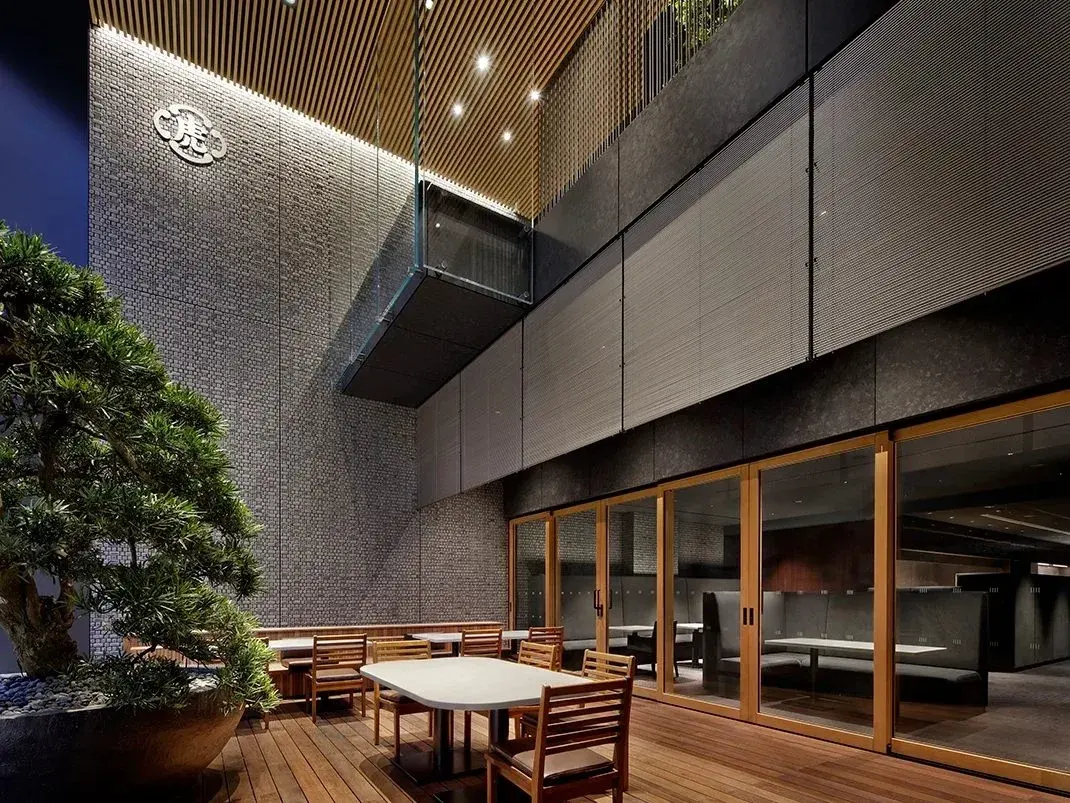
TORAYA GINZA
GinzaGinza Station5 min
TORAYA GINZA is a Toraya confectionery shop and café on the 4th floor of the Toraya Ginza Building in Ginza. The café serves Japanese sweets such as seasonal namagashi and freshly baked sweets, offered with drinks. Counter seats are reservation-only, while regular seats are first-come, first-served.
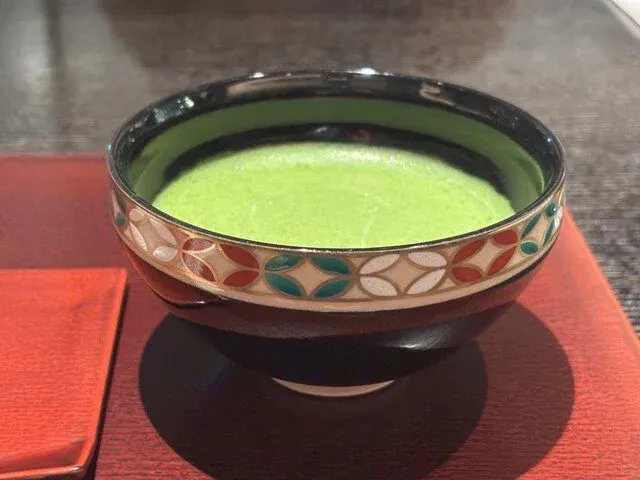
TORAYA Imperial Hotel Tokyo
ChiyodaHibiya Station3 min
Toraya's Imperial Hotel Tokyo branch opened in 2004 inside the Imperial Hotel in Hibiya, with a black-based interior for shopping and a Toraya Karyo tea salon for sitting down. The salon serves Japanese sweets and wagashi-style dishes such as ohagi, shiruko, seasonal namagashi and summer kakigori. Seats cannot be reserved, and it closes only on the hotel's annual holidays (open year-round).
Toraya Tea Salon Akasaka Shop
AkasakaAkasaka-mitsuke Station7 min
The Akasaka branch of Toraya combines a shop selling the company's yokan and seasonal sweets with a tea salon (kashō) serving anmitsu, oshiruko and seasonal meals such as a vegetable lunch set and hand-stretched udon. Dishes are made with plant-based ingredients, and the salon's hours are 11:00–17:30 with a 17:00 last order. It sits about a 7-minute walk from Akasaka-mitsuke Station.
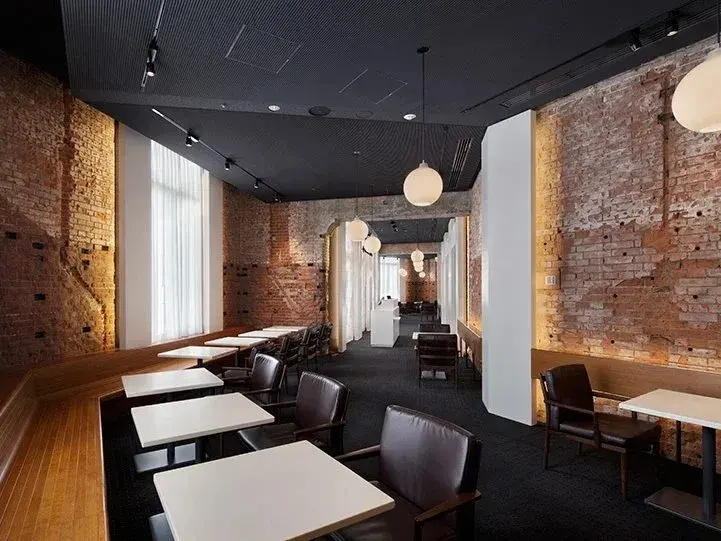
TORAYA TOKYO
MarunouchiTokyo Station1 min
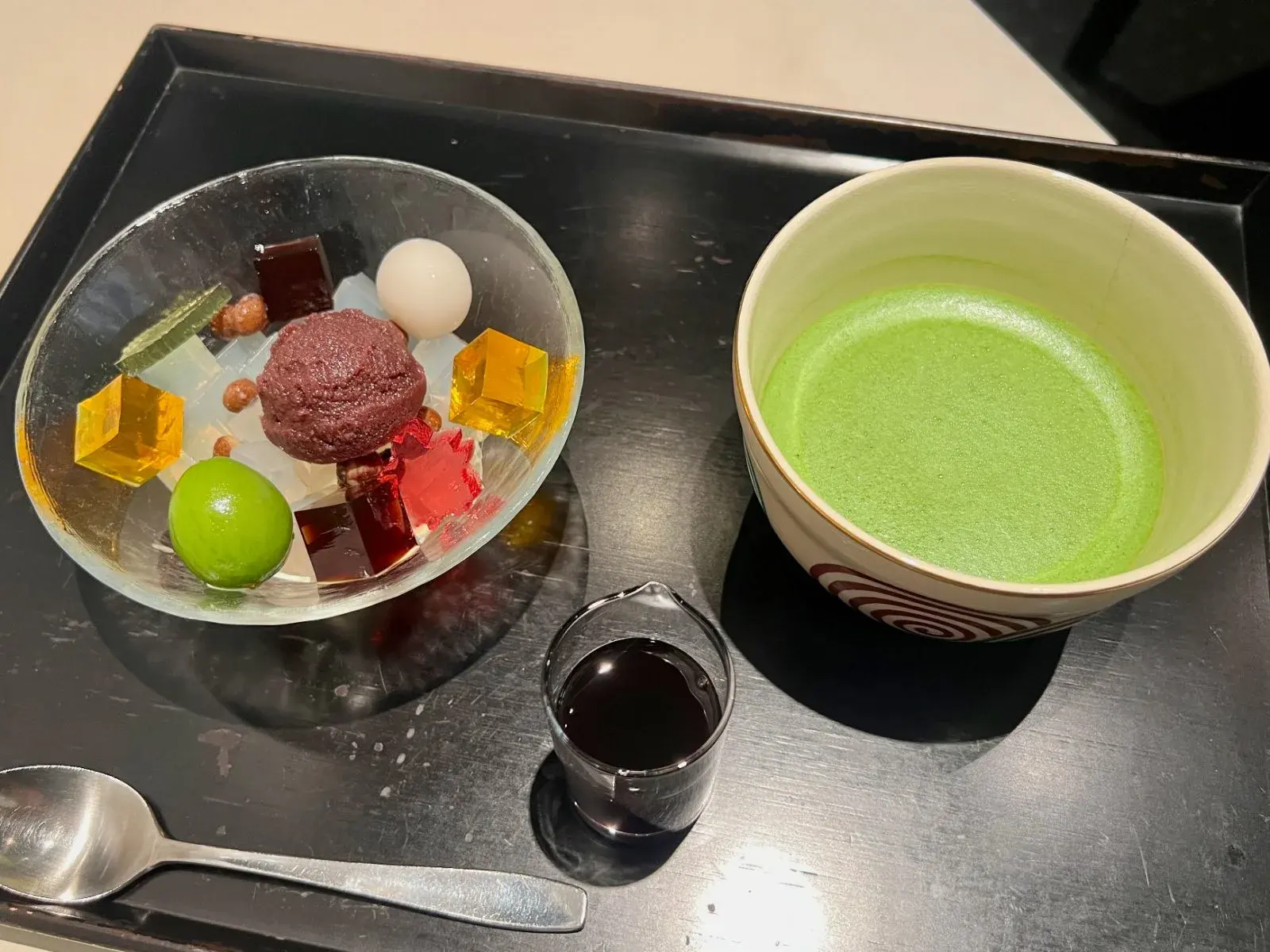
TORAYA TOKYO is a Toraya wagashi shop and tea salon on the 2nd floor of Tokyo Station Hotel, inside the red-brick Marunouchi station building. The attached café (虎屋菓寮・喫茶) serves Japanese sweets such as anmitsu and shaved ice alongside tea, while the shop sells seasonal confections including a small yokan 'Yoru no Ume' in Tokyo Station packaging. Seats and some menu items can be reserved through TableCheck, and a 90-minute limit applies when it is crowded.
Toraya Tokyo Midtown
RoppongiRoppongi Station8 min
500-year-old confectioner now with a contemporary tearoom in Tokyo Midtown. Quietly elegant interior; matcha is whisked tableside and served with seasonal namagashi modelled on Edo motifs. Strong choice for travellers who want history wrapped in a comfortable Roppongi setting — the gallery on the lower floor traces Toraya's wagashi designs across centuries. Pair the koicha with their signature yokan; older guests often pick this over the more performative ceremony shops because the staff give space to enjoy rather than narrate.
Tsuruya Yoshinobu Takashimaya Shinjuku Store
ShinjukuShinjuku Station7 min
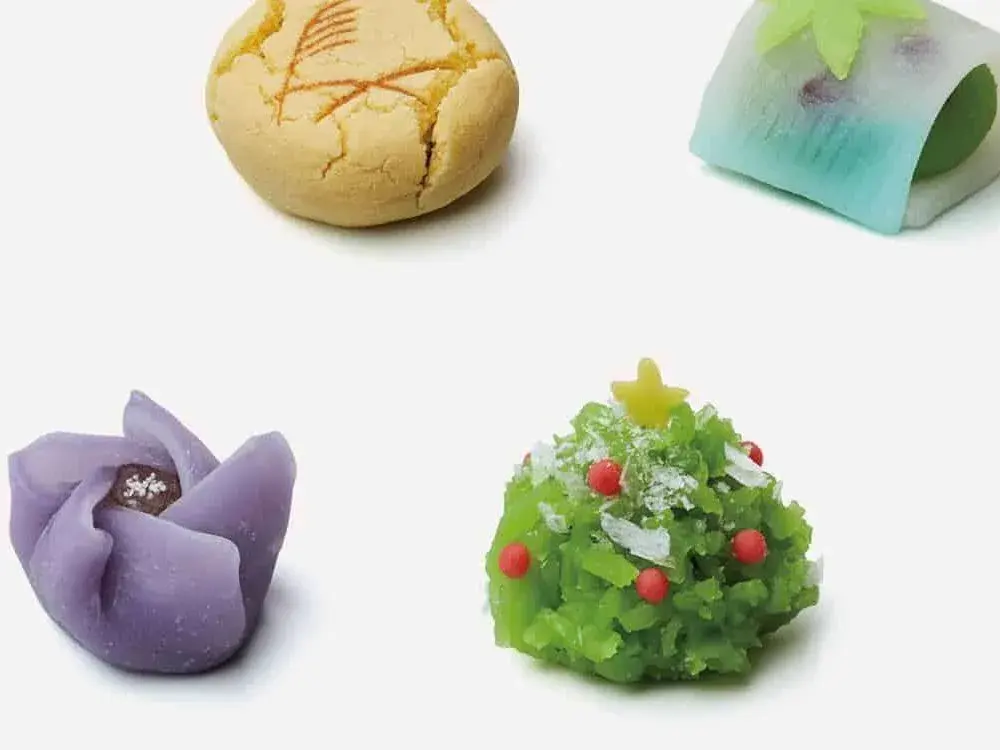
The Takashimaya Shinjuku branch of the Kyoto confectioner Tsuruya Yoshinobu sells seasonal namagashi (fresh Japanese sweets). The range of namagashi differs from store to store, and because the sweets keep only for a short time they are not sold through the company's online shop.
Tsuruya Yoshinobu Tokyo
MarunouchiTokyo Station6 min
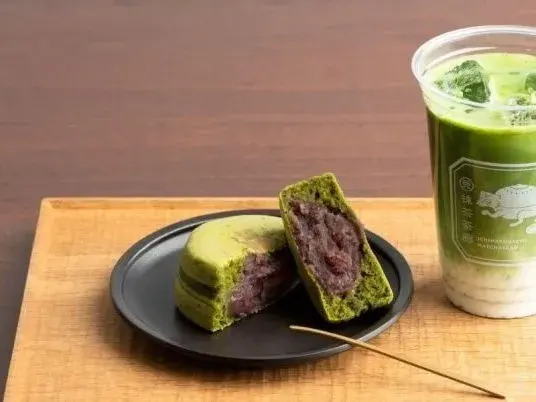
Counter at the Tokyo branch where a confectioner shapes namagashi to order while you wait. Watch the sweet being formed, then receive it on a square plate alongside whisked usucha. Theatrical and accessible — a popular gift-experience for visiting parents and first-time guests who want to see craft up close. The counter has six seats and the experience usually runs 25-35 minutes. Time it for late morning to avoid the lunch crowd in the Marunouchi underground tunnel network.
Ukonya
AsakusaAsakusa Station1 min
A matcha experience cafe on the 6th floor in Asakusa, about a 10-second walk from Asakusa Station Exit 5 and roughly three minutes from Kaminarimon. It serves matcha together with freshly boiled, chewy shiratama dumplings. The cafe is produced by 浅草右近屋 and is known for a view over the Sumida River and Tokyo Skytree.
Uogashi Meicha Chanomi Club
TsukijiTsukiji Station
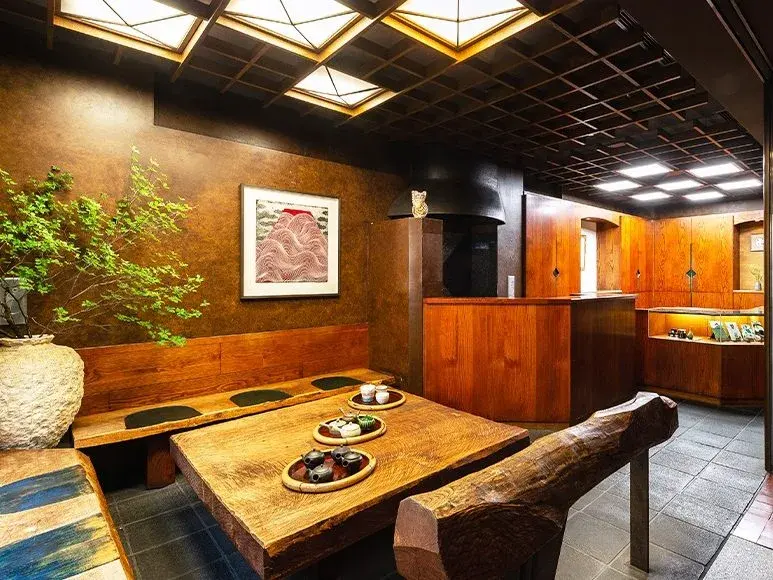
Chanomi Club (茶の実倶楽部) is a tea-drinking space run by the Uogashi Meicha tea house in Tsukiji, Chuo City, Tokyo, described as a place for tea companions. It is open 11:00–18:00 and closed on Saturdays and Sundays, with irregular closing on public holidays; from January 2027 the hours are scheduled to change to 12:00–17:00. The nearest stations are Tsukiji Station on the Tokyo Metro Hibiya Line and Shintomicho Station on the Yurakucho Line.
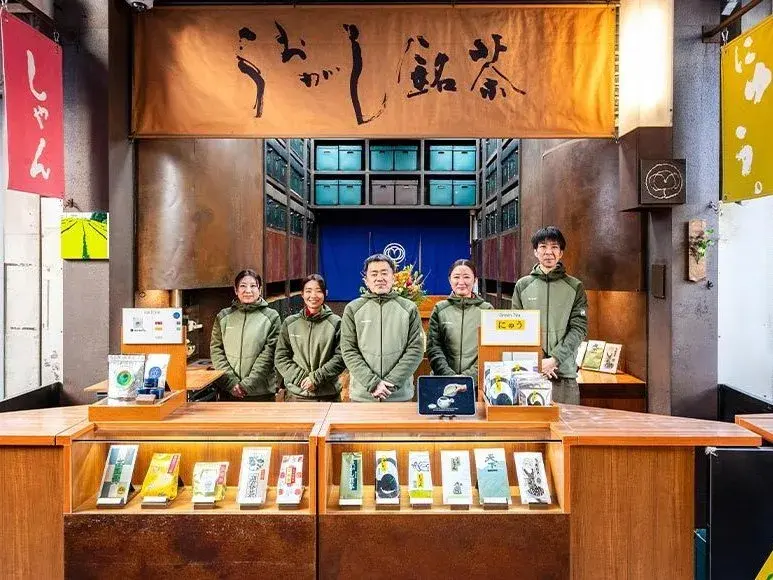
Uogashimeicha Tsukiji head office
TsukijiTsukiji Station11 min
Tea wholesaler since 1931 with a small tasting bar above the market. Matcha is briefer and bolder here — single-bowl service with no fanfare and minimal English, in the rhythm of a working market rather than a hospitality venue. Pair with the morning seafood crawl for the most local feel on this list. The leaf shop downstairs sells single-cultivar 30-gram packs at fair prices, which makes it the savviest place to take home matcha on a budget.
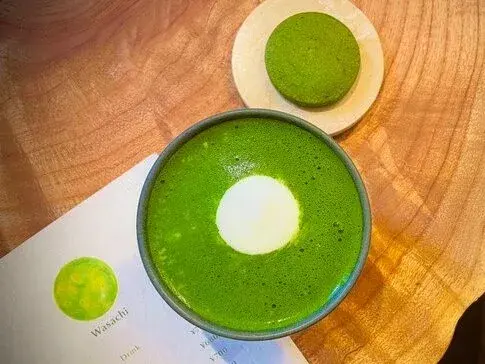
Wasachi Tokyo
RoppongiRoppongi Station8 min
Wasachi Tokyo is a tea stand in the Roppongi area of Tokyo, listed at 東京都港区六本木7-11-9 and about 293 m from Roppongi Station. Google's listing gives opening hours of 9:00 AM–12:00 PM and 1:00–5:00 PM, every day of the week.
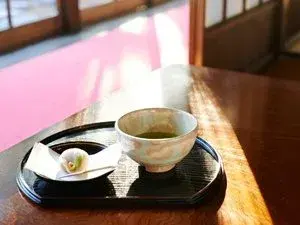
Yamamoto-tei Cafe
ShibamataShibamata Station8 min
Yamamoto-tei is a Taisho-era former residence in Shibamata, Katsushika, kept as a historic house with a Japanese garden and a tea room inside. The tea room serves matcha, iced matcha and zenzai, the matcha coming with a nerikiri sweet, plus coffee and ramune. Visitors can sit and look out over the garden; admission to the house and garden is ¥100.
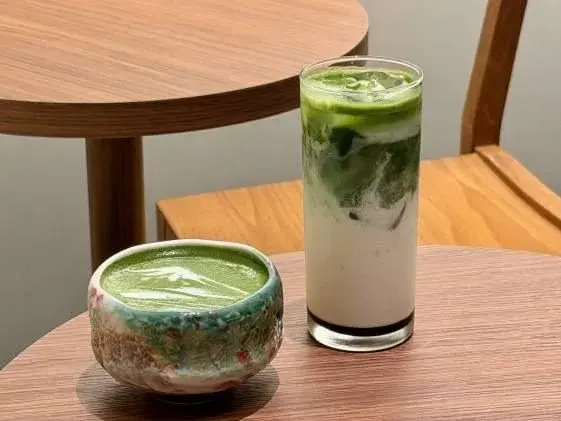
ZEN PUNK MATCHA
GinzaHigashi-Ginza Station3 min
A ceremonial-grade matcha latte specialist that opened on a quiet Ginza 3-chome corner in January 2026, ZEN PUNK MATCHA builds its identity around a single contrast: the stillness of zen set against an unruly, contemporary attitude. Drinks are whisked to order at a counter bar where staff invite you to lean in and watch, and the menu stays deliberately narrow, with matcha served straight, matcha lattes with the sweetness dialled to preference, and a case of wagashi including dorayaki, kintsuba and imokin. It opens at 8am daily with no regular closing day, making it one of central Tokyo's few genuinely early matcha stops. An English menu is available.