Directory
Matcha shops in Tokyo
24 shops serving traditional matcha.
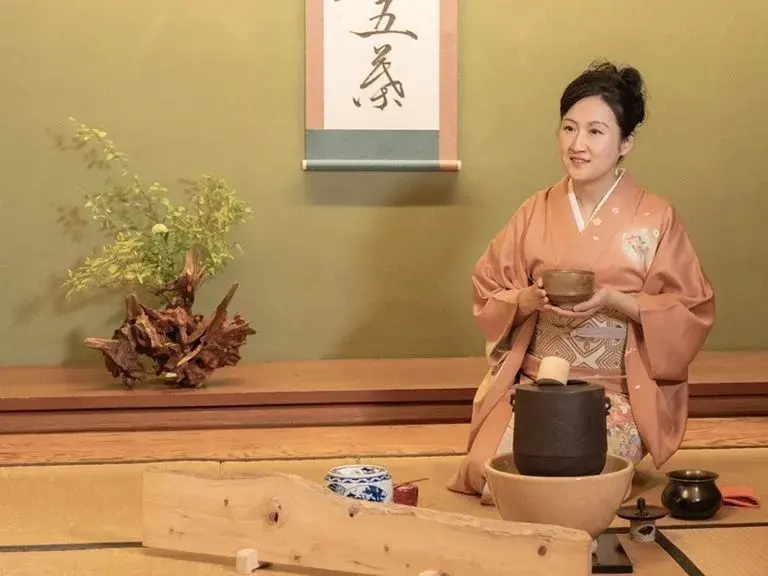
-wasako- Japanese Tea Ceremony Experience
AsakusaAsagaya Station6 min
Wasako is a Japanese tea ceremony salon in Asakusa, relocated to the historic restaurant Charyo Ichimatsu. Guests watch a live tea ceremony demonstration, enjoy traditional Japanese sweets and matcha, and can try making their own tea. Experiences range from 45 to 90 minutes, with optional kaiseki meals or geisha entertainment.
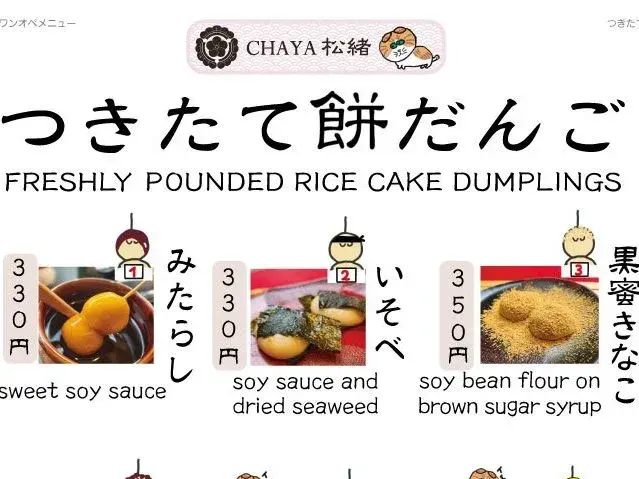
CHAYA Matsuo
YanakaSendagi Station6 min
A modern chaya on Yanaka Ginza shopping street, sister shop to Saboh Matsuo by Yushima Tenmangu. Mochi is pounded in-house every morning with mortar and pestle from Wataboshi rice grown under contract in Uonuma, then served as skewers with mitarashi, isobe, kuromitsu-kinako or Dainagon red bean, from 300 yen with a one-drink minimum. The matcha is Yamamasa Koyamaen from Uji, whisked to order by the okami rather than poured from a jug, and there is house-made kanten, Hateruma kuromitsu and warabimochi from domestic bracken starch. Roughly ten seats, so it fills quickly at weekends; takeaway is available. No fixed closing day.
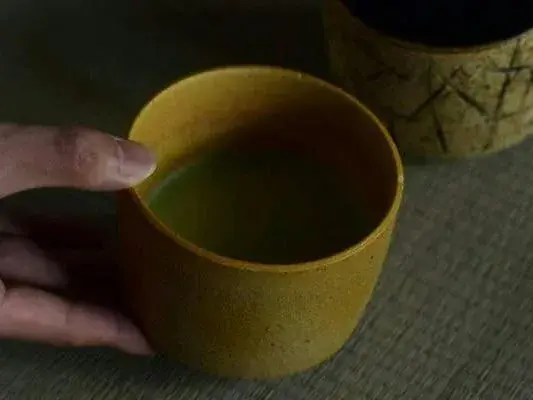
Higashiya Ginza
GinzaGinza Station5 min
Contemporary wagashi salon on the second floor of the Pola Ginza building. Tea-and-sweet pairings feel like a tasting menu — refined koicha, single-portion namagashi, dim lighting, careful music. Best matcha-with-sweets experience for guests who want a calm setting after a busy morning. Reservations open one month ahead and weekend afternoon slots disappear within hours, so plan early. The seasonal wagashi rotation is the heart of the menu and changes every two weeks, often telegraphing the next subtle shift in season.
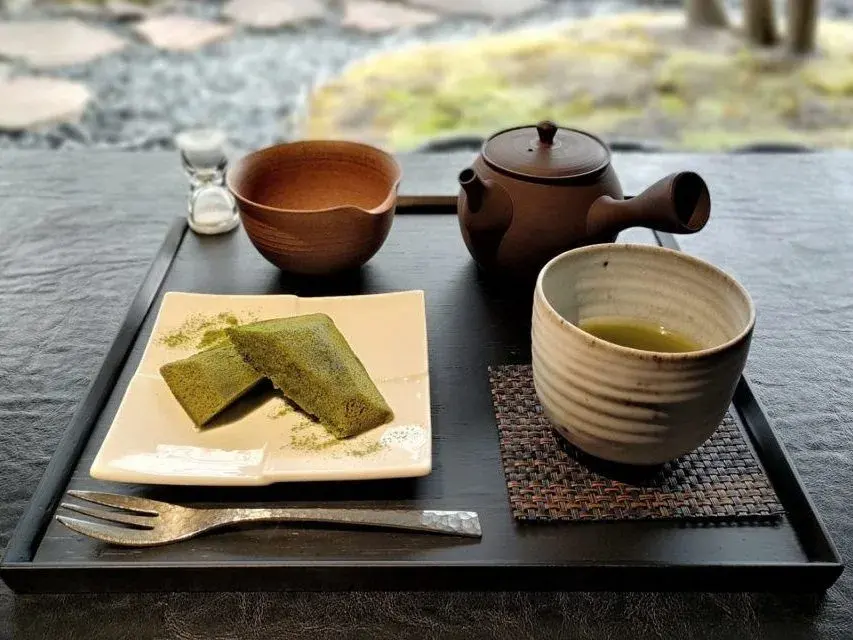
Jugetsudo Tea Shop & Cafe
Higashi GinzaHigashi-Ginza Station1 min
Run by Maruyama Nori, a seaweed house founded in 1854, Jugetsudo's Ginza branch sits on the fifth floor of Kabukiza Tower facing the theatre's rooftop garden. Kengo Kuma designed the space, dividing it with irregularly pitched bamboo screens and angling the ceiling to echo the garden eaves, roughly 3,000 bamboo stalks in all, producing a grove-like calm directly above one of Tokyo's busiest crossings. The counter and terrace serve sweets made with the house matcha alongside nori-based sandwiches and light dishes, and the shop runs tea experience courses covering sencha brewing and matcha whisking. A retail corner sells tea, nori and Kabukiza-only souvenirs.
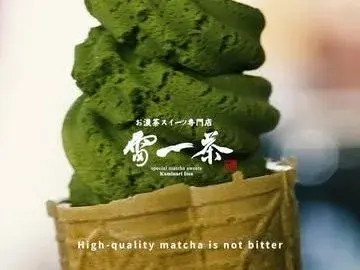
Kaminari Issa Asakusa Honten
AsakusaAsakusa Station4 min
A koicha (thick matcha) sweets specialist with four small shops around Senso-ji; this is the main one, on Umamichi-dori a few minutes north of Kaminarimon. The kitchen uses only first-flush, stone-milled Kyoto matcha, turning it into cream puffs, dorayaki, roll cake, pudding and a signature koicha fresh-cream mochi, most items between 380 and 880 yen. Matcha can also be ordered on its own or as a set with seasonal jonamagashi wagashi. Fourteen seats, four at the counter and ten at tables, and menus printed in Japanese, English and Chinese. Cards, transport IC and QR payments are all accepted; reservations are not taken.
Kosoan
JiyugaokaJiyugaoka Station11 min
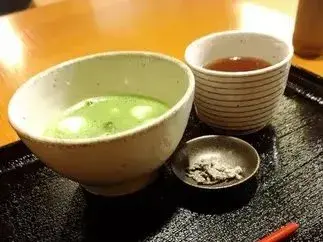
Restored Taisho-era farmhouse with a tatami tea room overlooking a moss garden. Matcha set is served in old porcelain and you keep your shoes off at the entry. Suburban-feeling escape from central Tokyo with the calmest soundscape of any shop on this list — outside of cicada season the only sound is the kettle. About 25 minutes by Toyoko line from Shibuya, easily combined with the Jiyugaoka cafe strip or a walk along the Kuhonbutsu river path.
LAMBERT
ShinjukuOkubo Station7 min
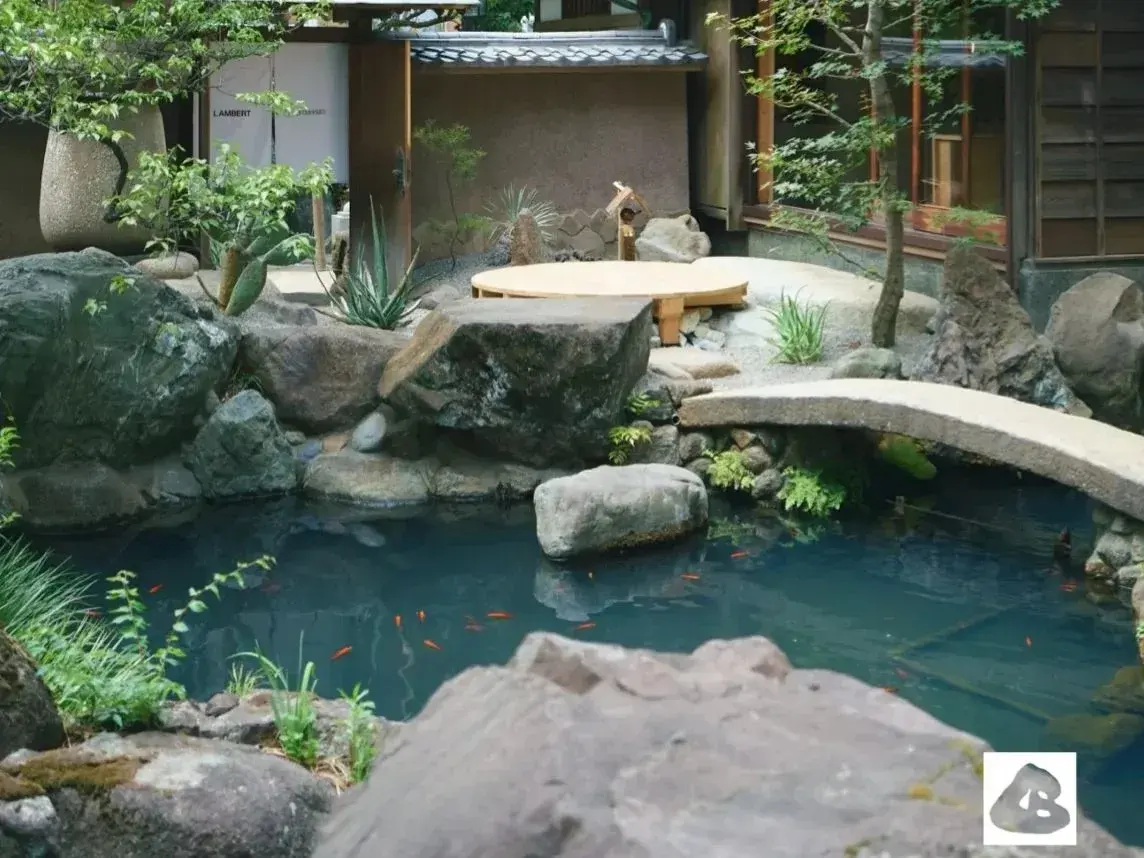
Opened in September 2025 in a quiet residential pocket of Hyakunincho, LAMBERT occupies a roughly 70-year-old Japanese house restored around a garden of megaliths, a pond and a small waterfall. The kitchen builds its menu on organic matcha grown in Izumo, Shimane, whisked to order and served alongside a short coffee list; 30g tins of both the organic and non-organic Izumo lots are sold to take home. Indoor seating is fully reservation-only, though walk-ins can order takeaway or sit outside. A second-floor gallery hosts rotating art. The gate, stone path and water make it feel far from Okubo's crowded main streets.
MATCHA CAFE & STUDIO ASAKUSA
AsakusaAsakusa Station4 min
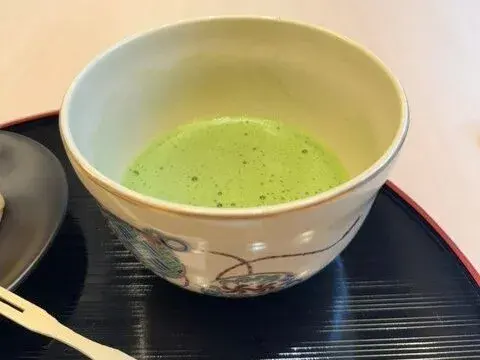
MATCHA CAFE & STUDIO ASAKUSA is a matcha cafe in Asakusa serving Uji matcha as matcha lattes, matcha sweets and matcha pancakes. Seating is available on the second floor, and a Japanese-style room is used for matcha experiences. It is about a 4-minute walk from Asakusa Station.
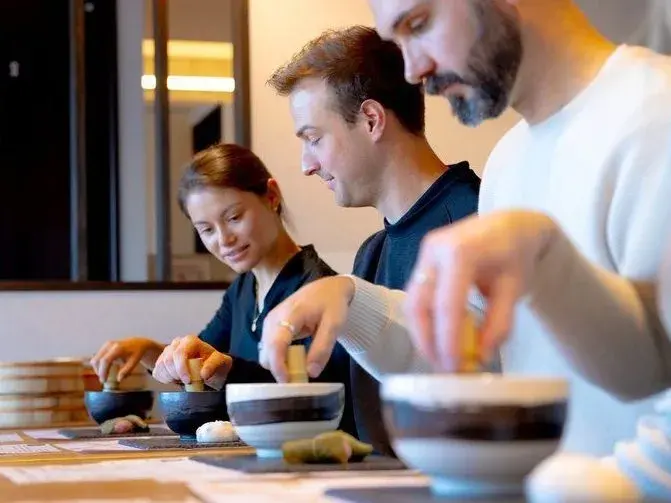
Matcha Making Tokyo | Cooking Class in Japan
AsakusaAsakusa Station1 min
Matcha Making Tokyo is a matcha-making class in Asakusa, Tokyo, where guests whisk their own matcha by hand and learn from matcha master instructors. The English-friendly class teaches how to prepare matcha and how to enjoy wagashi, and welcomes beginners, solo travellers, couples and groups. It is about a one-minute walk from Asakusa Station.
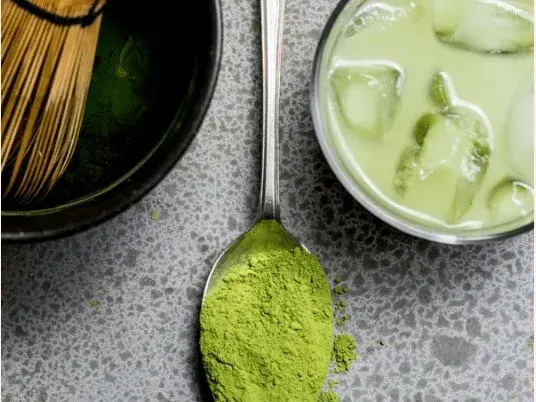
MATCHA&ESPRESSO MIYANO-YU
NezuNezu Station2 min
A 1951 sento that closed in 2008 and reopened as a cafe in 2021, keeping its chimney, its shoe lockers, now used as the order counter, and the bathhouse's improbable ceiling height. The matcha is a rare organic Okumidori from Shizuoka, grown in small volumes by a young farm, and it shares the menu equally with Oceania-style espresso: flat whites, long blacks and shakerato from beans roasted on site. Matcha lattes run about 680 yen, with seasonal house-made wagashi alongside. Around 40 seats across the main hall, a tatami area and a pet-friendly terrace. Closing days are irregular, so check Instagram first.
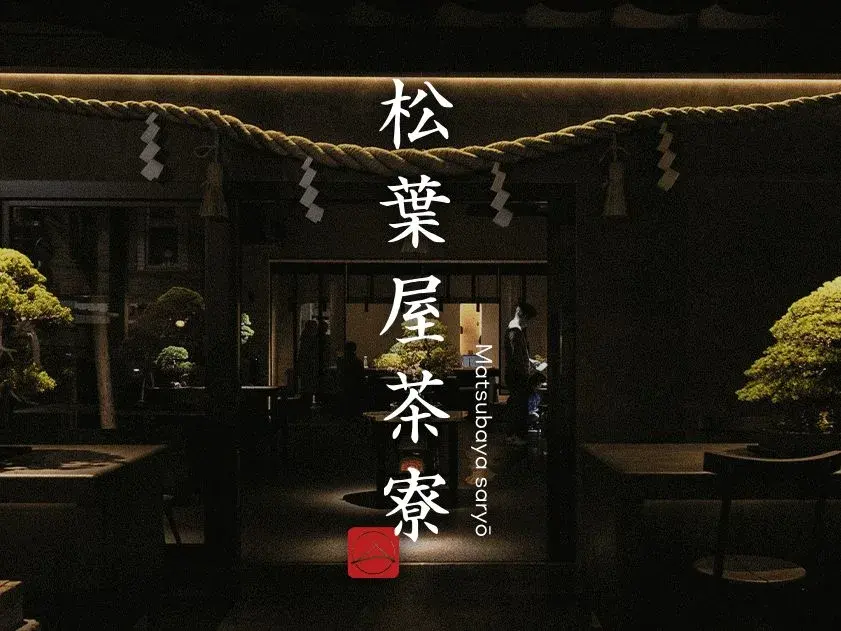
Matsubaya Saryō / Hakobune Gallery
AoyamaOmotesando Station6 min
A dark, easily missed frontage on a Minami-Aoyama side street hides a tearoom built around bonsai and cedar. Behind the noren, candle lanterns throw root-like shadows across concrete walls, warmed tea leaves smoulder in a chakouro, and the room runs quiet enough that the street disappears. The menu is short and tea-first: matcha and sencha in the morning, hojicha latte later, sake in the evening, with the matcha latte the drink most visitors come for. A counter at the back offers a tea-ceremony seating for a per-person charge. Reservations can be made through the shop's own site.
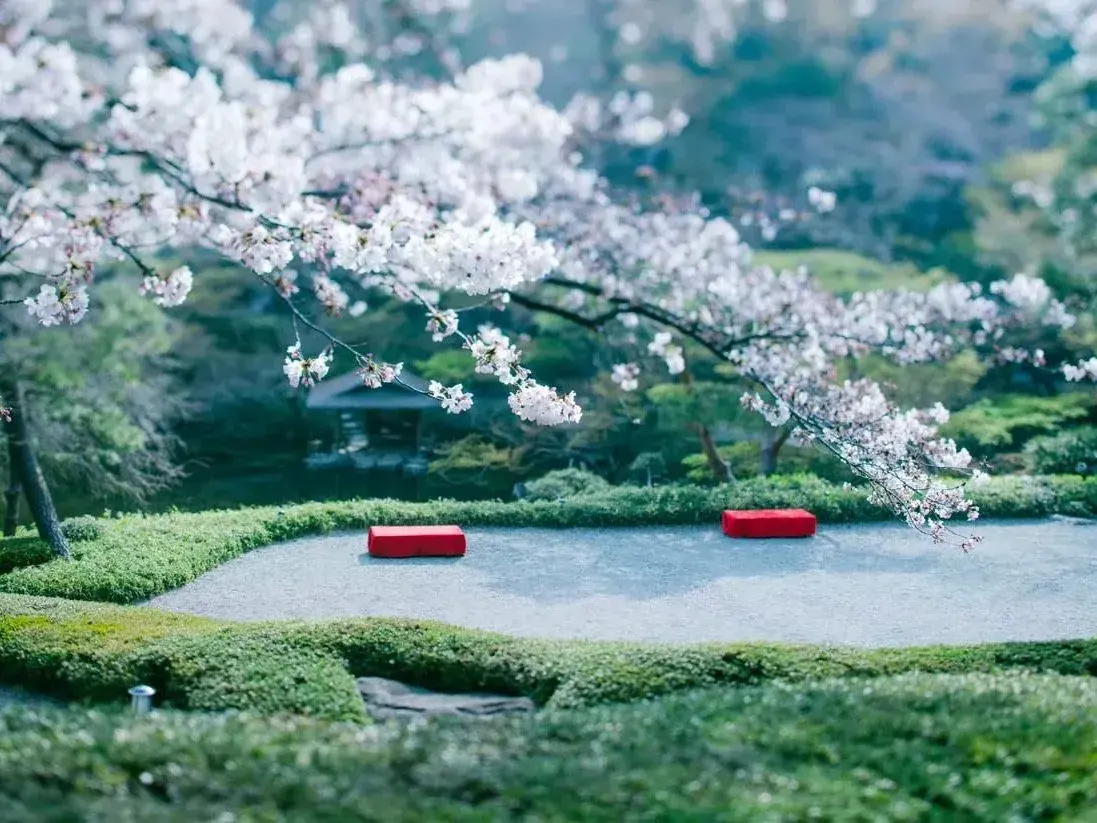
Mu-an Tea House
ShirokanedaiShirokanedai Station11 min
Formal chashitsu inside the Happo-en garden complex. Hourly ceremonies of about 45 minutes in English on request, with the option to add a kaiseki lunch in the adjoining restaurant. Higher price reflects the garden access, which is worth it; pair with a stroll around the bonsai walk before or after. Best in early April for cherry-blossom photographs against the pond, or November for the maple turn — both windows book out three to four weeks ahead.
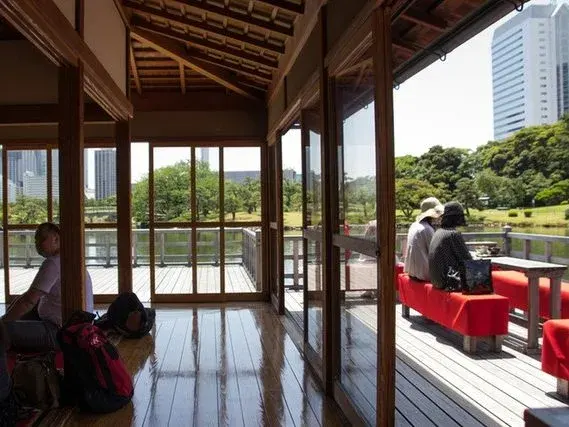
Nakajima Tea House
HamarikyūteienShiodome Station7 min
Nakajima Tea House (中島の御茶屋) is a tea house on an island inside Hamarikyu Gardens, reached by crossing a bridge over the pond. It serves matcha, including a matcha set of roughly ¥850 with wagashi, in a setting where you look out over the water. The garden draws seawater into its tidal pond, and the tea house itself closes at 16:45 with last orders at 16:30.
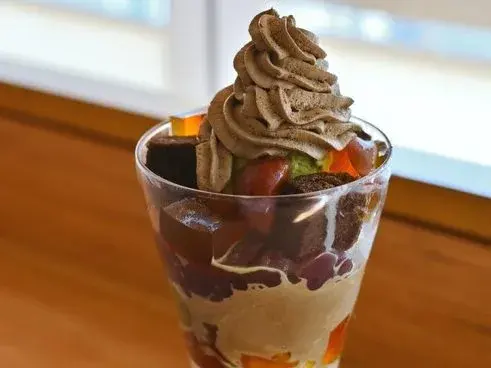
Saryo Tsujiri Marunouchi
MarunouchiTokyo Station10 min
Quieter sit-down sister of Tsujiri inside the Marunouchi Building, designed around a long counter and warm wood tables. Set menus pair grade-graded usucha with wagashi shipped weekly from Kyoto. Good for travellers who want the formality of a tea room without the strict etiquette of a chashitsu — staff will explain the temperature, whisk angle, and bowl on request. Lunchtime queues move quickly because most guests stay 35-45 minutes for a full set rather than ordering individual drinks.
SHAKA SHAKA MATCHA
OmotesandoOmotesando Station5 min
Opened 1 April 2026 on the ground floor of the Walnut building in Minami-Aoyama, this is a standing tasting stand rather than a sit-down cafe. The premise is comparison: matcha sourced from several Japanese growing regions, poured side by side as thin tea so the differences in aroma and body are legible, with staff explaining origin, cultivar and preparation and suggesting a bowl to suit the day. Anything you like can be bought on the spot in the shop's own tin. Takeaway lattes are available for those not staying. Staff can serve in English.
thé et soie
NingyochoNingyocho Station2 min
thé et soie is a Japanese tea café in the Nihonbashi Ningyocho area, serving Japanese tea alongside a vegan dessert set. Its menu includes a tea tasting of four kinds of Japanese tea with tea sweets (¥3,300 including tax), and the café also lists gyokuro. It opens at 12:00 with last order at 17:30.
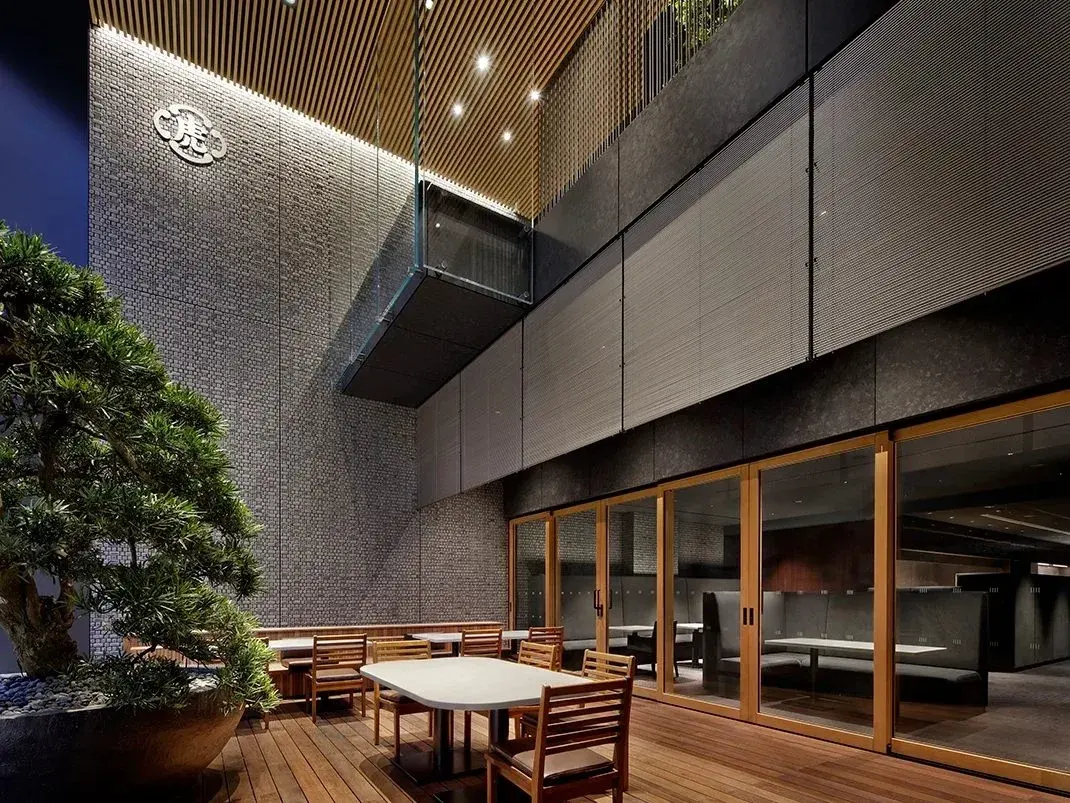
TORAYA GINZA
GinzaGinza Station5 min
TORAYA GINZA is a Toraya confectionery shop and café on the 4th floor of the Toraya Ginza Building in Ginza. The café serves Japanese sweets such as seasonal namagashi and freshly baked sweets, offered with drinks. Counter seats are reservation-only, while regular seats are first-come, first-served.
TORAYA Imperial Hotel Tokyo
ChiyodaHibiya Station3 min
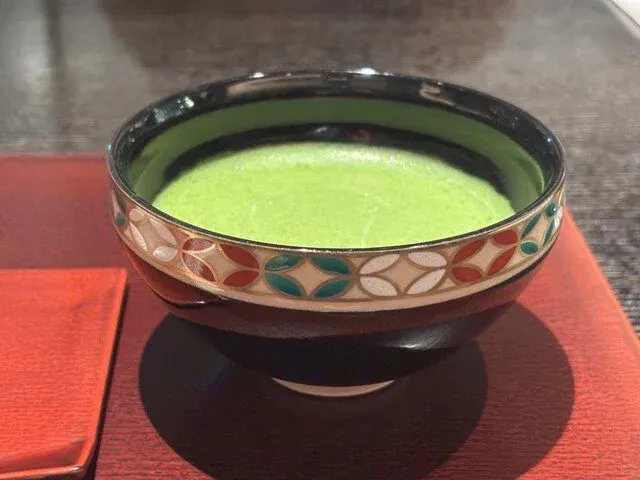
Toraya's Imperial Hotel Tokyo branch opened in 2004 inside the Imperial Hotel in Hibiya, with a black-based interior for shopping and a Toraya Karyo tea salon for sitting down. The salon serves Japanese sweets and wagashi-style dishes such as ohagi, shiruko, seasonal namagashi and summer kakigori. Seats cannot be reserved, and it closes only on the hotel's annual holidays (open year-round).
Toraya Tea Salon Akasaka Shop
AkasakaAkasaka-mitsuke Station7 min
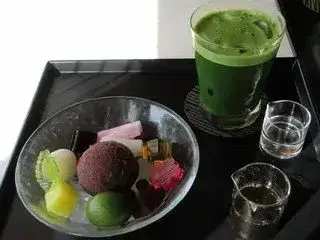
The Akasaka branch of Toraya combines a shop selling the company's yokan and seasonal sweets with a tea salon (kashō) serving anmitsu, oshiruko and seasonal meals such as a vegetable lunch set and hand-stretched udon. Dishes are made with plant-based ingredients, and the salon's hours are 11:00–17:30 with a 17:00 last order. It sits about a 7-minute walk from Akasaka-mitsuke Station.
TORAYA TOKYO
MarunouchiTokyo Station1 min
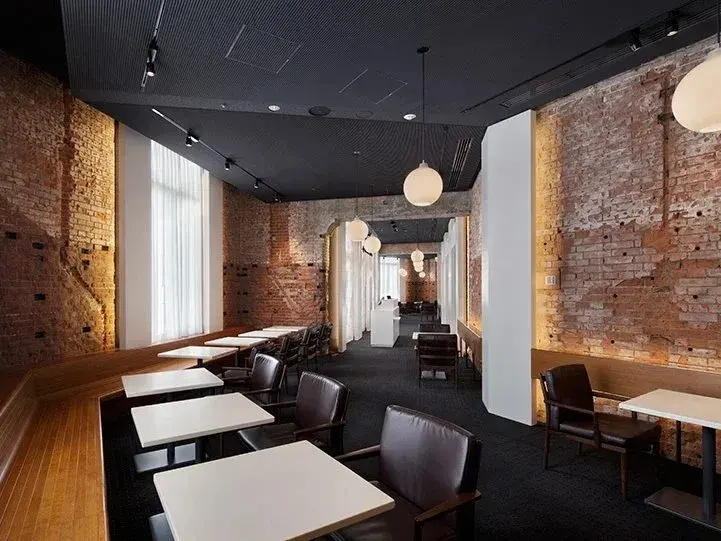
TORAYA TOKYO is a Toraya wagashi shop and tea salon on the 2nd floor of Tokyo Station Hotel, inside the red-brick Marunouchi station building. The attached café (虎屋菓寮・喫茶) serves Japanese sweets such as anmitsu and shaved ice alongside tea, while the shop sells seasonal confections including a small yokan 'Yoru no Ume' in Tokyo Station packaging. Seats and some menu items can be reserved through TableCheck, and a 90-minute limit applies when it is crowded.
Toraya Tokyo Midtown
RoppongiRoppongi Station8 min
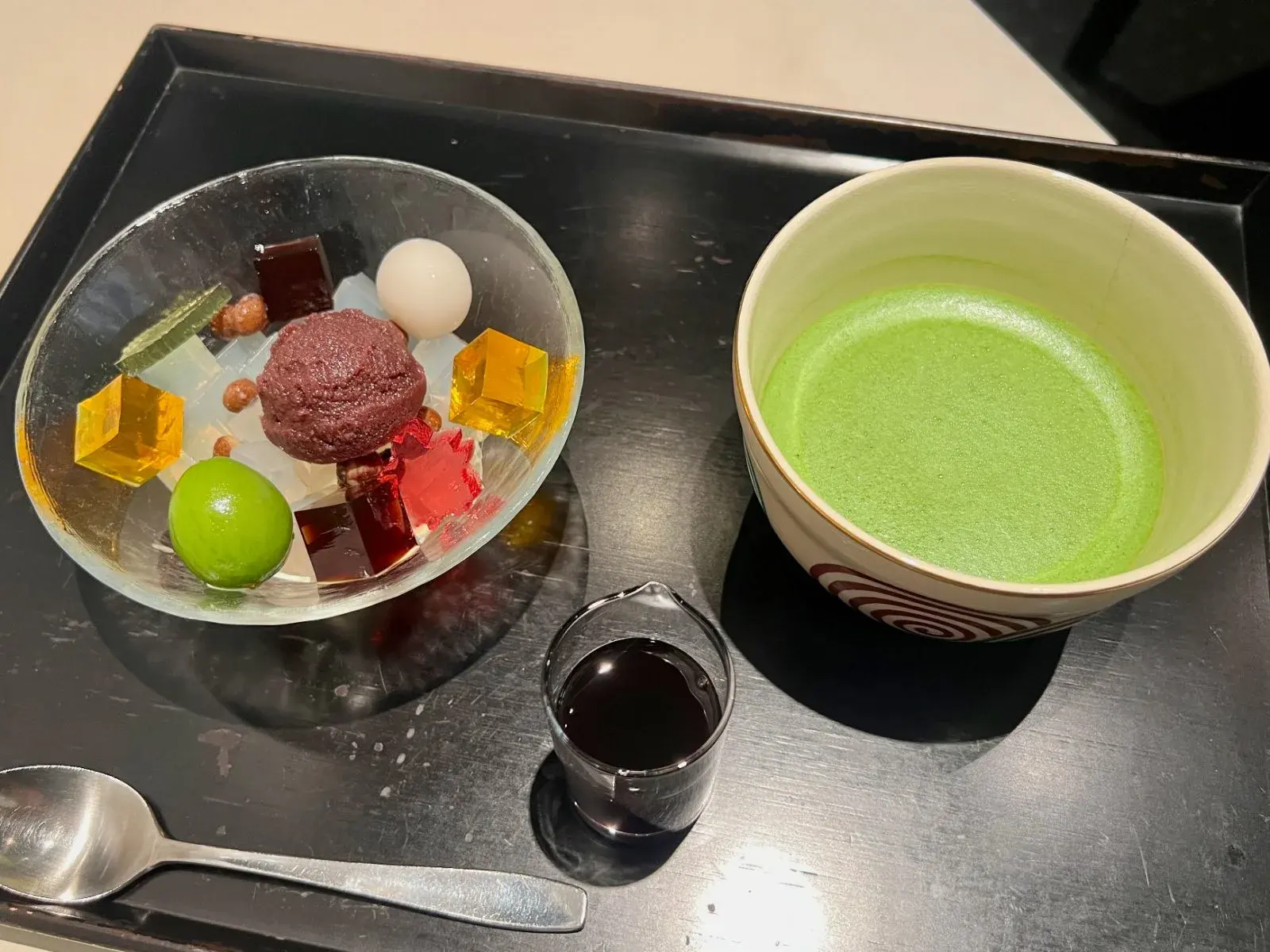
500-year-old confectioner now with a contemporary tearoom in Tokyo Midtown. Quietly elegant interior; matcha is whisked tableside and served with seasonal namagashi modelled on Edo motifs. Strong choice for travellers who want history wrapped in a comfortable Roppongi setting — the gallery on the lower floor traces Toraya's wagashi designs across centuries. Pair the koicha with their signature yokan; older guests often pick this over the more performative ceremony shops because the staff give space to enjoy rather than narrate.
Tsuruya Yoshinobu Takashimaya Shinjuku Store
ShinjukuShinjuku Station7 min
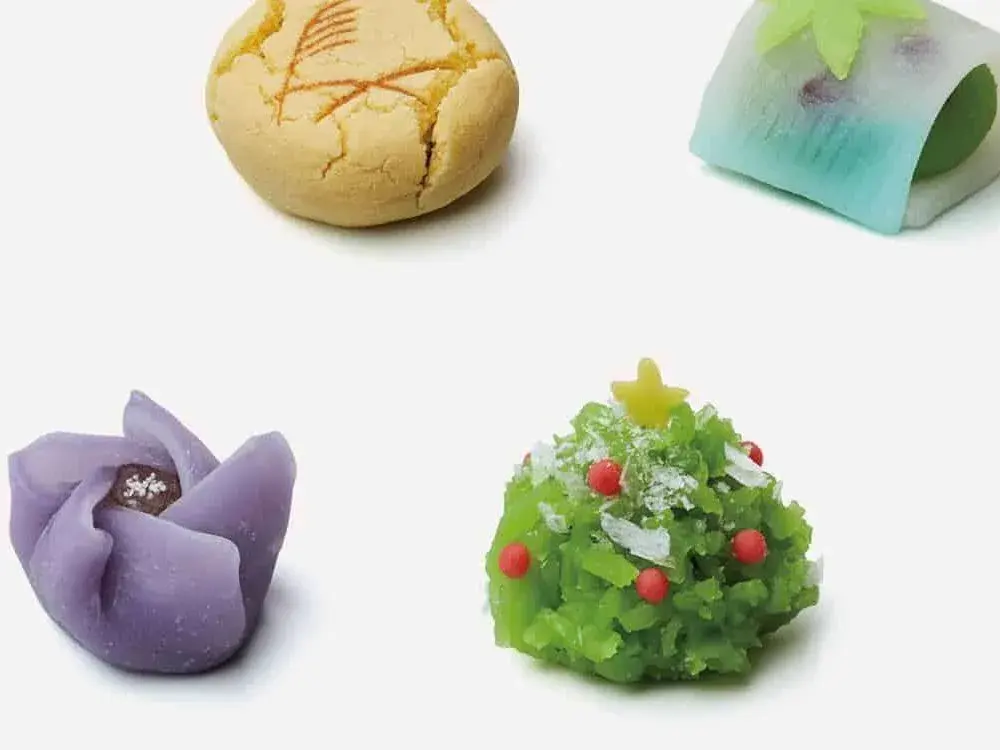
The Takashimaya Shinjuku branch of the Kyoto confectioner Tsuruya Yoshinobu sells seasonal namagashi (fresh Japanese sweets). The range of namagashi differs from store to store, and because the sweets keep only for a short time they are not sold through the company's online shop.
Tsuruya Yoshinobu Tokyo
MarunouchiTokyo Station6 min
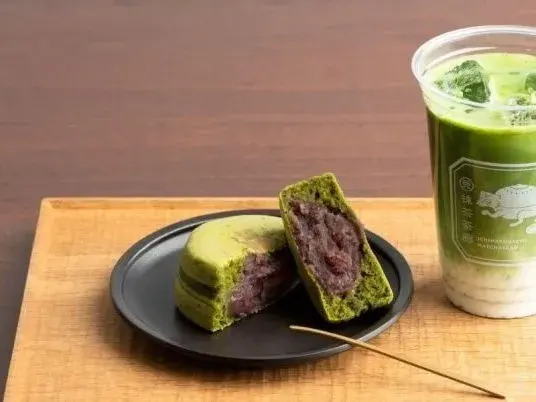
Counter at the Tokyo branch where a confectioner shapes namagashi to order while you wait. Watch the sweet being formed, then receive it on a square plate alongside whisked usucha. Theatrical and accessible — a popular gift-experience for visiting parents and first-time guests who want to see craft up close. The counter has six seats and the experience usually runs 25-35 minutes. Time it for late morning to avoid the lunch crowd in the Marunouchi underground tunnel network.
Yamamoto-tei Cafe
ShibamataShibamata Station8 min
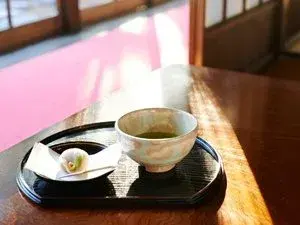
Yamamoto-tei is a Taisho-era former residence in Shibamata, Katsushika, kept as a historic house with a Japanese garden and a tea room inside. The tea room serves matcha, iced matcha and zenzai, the matcha coming with a nerikiri sweet, plus coffee and ramune. Visitors can sit and look out over the garden; admission to the house and garden is ¥100.